Laser Treatments for Sunspots on Face: Options, Results, and What to Expect
Tired of stubborn sunspots? Learn how laser treatments like IPL, fractional lasers, and ablative resurfacing target pigment to restore a clear, even complexion - plus aftercare and prevention tips.
Sunspots: More Than Just a Summer Souvenir
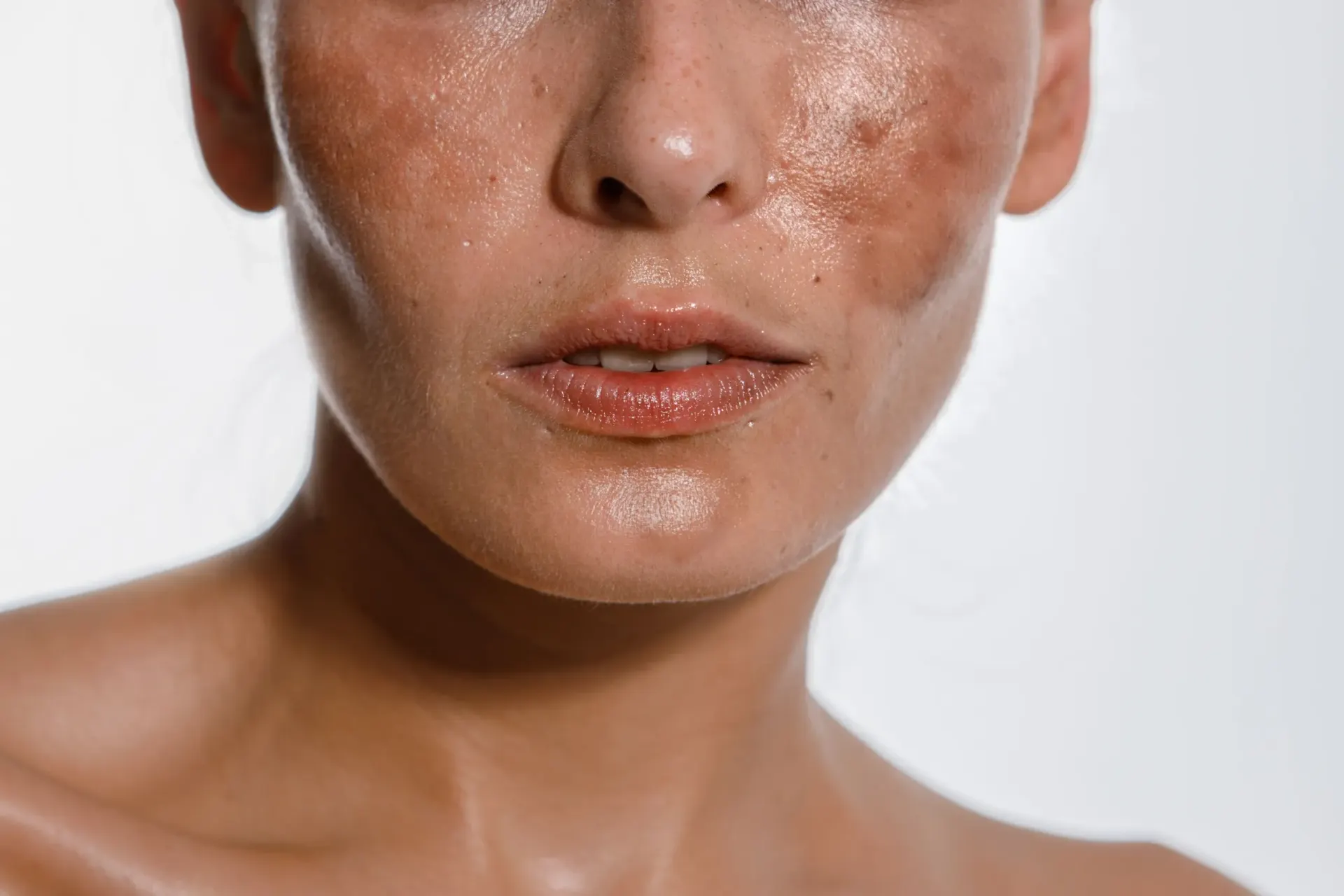
Sunspots, also called age spots, liver spots, or lentigines, are flat brown or dark spots that show up on sun-damaged skin. They are especially common on the face, neck, chest, and hands - basically anywhere you forgot to reapply SPF. While sun spots are harmless and don't hurt, they often hang around longer than your vacation tan. The real kicker? They get more stubborn with time.
These spots form because of sun exposure and the accumulation of melanin, the pigment that gives skin its color. The more ultraviolet (UV) light your skin absorbs, the more pigment your skin cells produce. Over time, all that extra pigment gets unevenly distributed, creating dark patches, blotchy tone, and general hyperpigmentation.
Laser Therapy: A Spotlight on the Solution
Laser treatment is one of the most effective ways to tackle sunspots. It uses light energy to target pigment without damaging the surrounding skin. These high-energy wavelengths break up the melanin in sunspots, so your body can naturally flush it out over the next few days or weeks.
The beauty of laser therapy is its precision. A skilled provider can adjust the type of laser, wavelength, and energy level based on your skin type, skin tone, and the depth of the pigment within the dermis.
Popular Laser Treatment Options for Sunspots
Let's talk about the top laser treatments used to reduce discoloration, smooth skin texture, and brighten the overall tone of your skin.
IPL (Intense Pulsed Light)
IPL, also known as photofacial or broadband light, is not technically a laser but delivers similar results. It sends multiple wavelengths of light into the skin, targeting pigment and blood vessels. It works well on sunspots, freckles, broken capillaries, and mild redness.
Fraxel (Fractional Laser)
Fraxel is a fractional laser that treats microscopic zones of the skin while leaving surrounding tissue intact. It stimulates collagen production while also clearing away pigment, making it a go-to for both age spots and fine lines. Bonus: it helps with acne scars, hyperpigmentation, and melasma too.
Ablative Laser Resurfacing
Ablative lasers, like CO2 or Erbium lasers, remove the top layers of the skin to reveal fresh, new skin underneath. These are more aggressive but deliver dramatic results for deep pigment and textural issues. Expect longer downtime with this type of laser.
Other Cosmetic Treatments to Consider
Laser skin resurfacing may be the gold standard, but it's not the only option.
- Chemical peels: Use acid solutions to exfoliate damaged skin and lift pigment
- Microneedling: Uses fine needles to create controlled micro-injuries that stimulate collagen production and promote skin rejuvenation from within
- Topical skincare: Ingredients like retinol, vitamin C, and hydroquinone can fade brown spots gradually
These alternatives are often combined with laser therapy as part of a larger treatment plan. Your provider might start you on a brightening serum or chemical peel to prep your skin before the laser session.
What to Expect During Laser Treatment
The Procedure
The treated area will be cleansed and prepped and you'll wear protective goggles. Some lasers feel like tiny rubber band snaps, while others produce warmth or a prickling sensation. Numbing cream is usually applied for comfort. Depending on the size of the treatment area, sessions can last anywhere from 15 minutes to an hour.
Post-Treatment Experience
Redness, mild swelling, and a sensation similar to sunburn are common for a few hours or days. You may see darkening of the pigment before it flakes off, revealing clearer skin underneath. Downtime depends on the type of laser used. Non-ablative lasers like Fraxel have minimal downtime, while ablative treatments may require a week or more of healing.
You may also notice temporary dryness or mild flaking in the treated area as damaged skin cells are shed. This is part of the skin rejuvenation process as your body generates new skin.
Who Makes a Good Candidate?
Laser therapy works best on lighter skin tones, though some lasers are safe for deeper skin types too. It's essential to consult with a qualified provider to evaluate your skin conditions, medical history, and desired results.
You might be a good candidate if:
- You have brown spots, liver spots, or discoloration caused by sun exposure
- You are not currently sunburned or using medications that increase light sensitivity
- You are not pregnant or breastfeeding
- You are not actively tanning
Benefits of Laser Treatments for Sunspots
- Targets pigment without damaging surrounding skin
- Improves overall skin tone and texture
- Reduces the appearance of fine lines and wrinkles
- Stimulates collagen production for smoother skin
- Enhances skin rejuvenation with minimal disruption to surrounding tissue
- Customizable for different skin concerns and skin types
Risks and Side Effects
Like any cosmetic procedure, laser treatments come with a few side effects. Most are mild and temporary, but it's good to be informed.
- Redness and swelling
- Temporary darkening of spots
- Flaking or peeling
- Sensitivity to sun exposure
- Rare lesions or irritation in compromised skin
In rare cases, improper laser use can cause burns, blistering, or changes in pigmentation. Always go to a qualified provider to minimize risks.
Results and Longevity
Most people see visible improvement after one to three sessions. Deeper spots or more severe sun damage might take a few more. Results can last for years, especially if you follow a good skincare routine and prioritize sun protection.
Skincare After Laser Treatment
Your skin will be more sensitive after a laser procedure, so take extra care:
- Apply broad-spectrum sunscreen with SPF 30 or higher
- Use gentle, hydrating skincare products
- Avoid retinoids and exfoliants for a few days
- Keep the treated skin clean and moisturized
Also, skip direct sun exposure, tanning beds, and hot saunas while your skin is healing.
Preventing Future Sunspots
Laser treatments can help clear existing sun damage, but prevention is the real long game. Here's how to keep those dark spots from coming back:
- Use sunscreen daily - even on cloudy days
- Reapply SPF every two hours when outdoors
- Wear hats, sunglasses, and UPF clothing for added protection
- Incorporate antioxidants like vitamin C into your skincare routine
- Avoid peak UV hours between 10 a.m. and 4 p.m.
When to See a Provider
Not all dark spots are just sun damage. If you notice a spot that changes size, shape, or color, or if it becomes itchy or starts to bleed, book an appointment. Skin cancer can sometimes look like a harmless sunspot, so don't guess - get it checked.
Clear Your Sunspots in Traverse City
Laser treatments are one of the most powerful ways to hit reset on your skin. Whether you're dealing with sun-damaged skin, uneven tone, or stubborn discoloration, there's a treatment option for you. And the best part? With the right skincare and sun protection, you can enjoy long-lasting results that keep your skin looking clear, even, and rejuvenated.
Ready to explore your options? Contact Eternal Wellness Medical Spa in Traverse City, MI, or call (231) 252-4474 for a free consultation to discuss what type of laser might work best for your skin type and skin concerns. Your face will thank you.