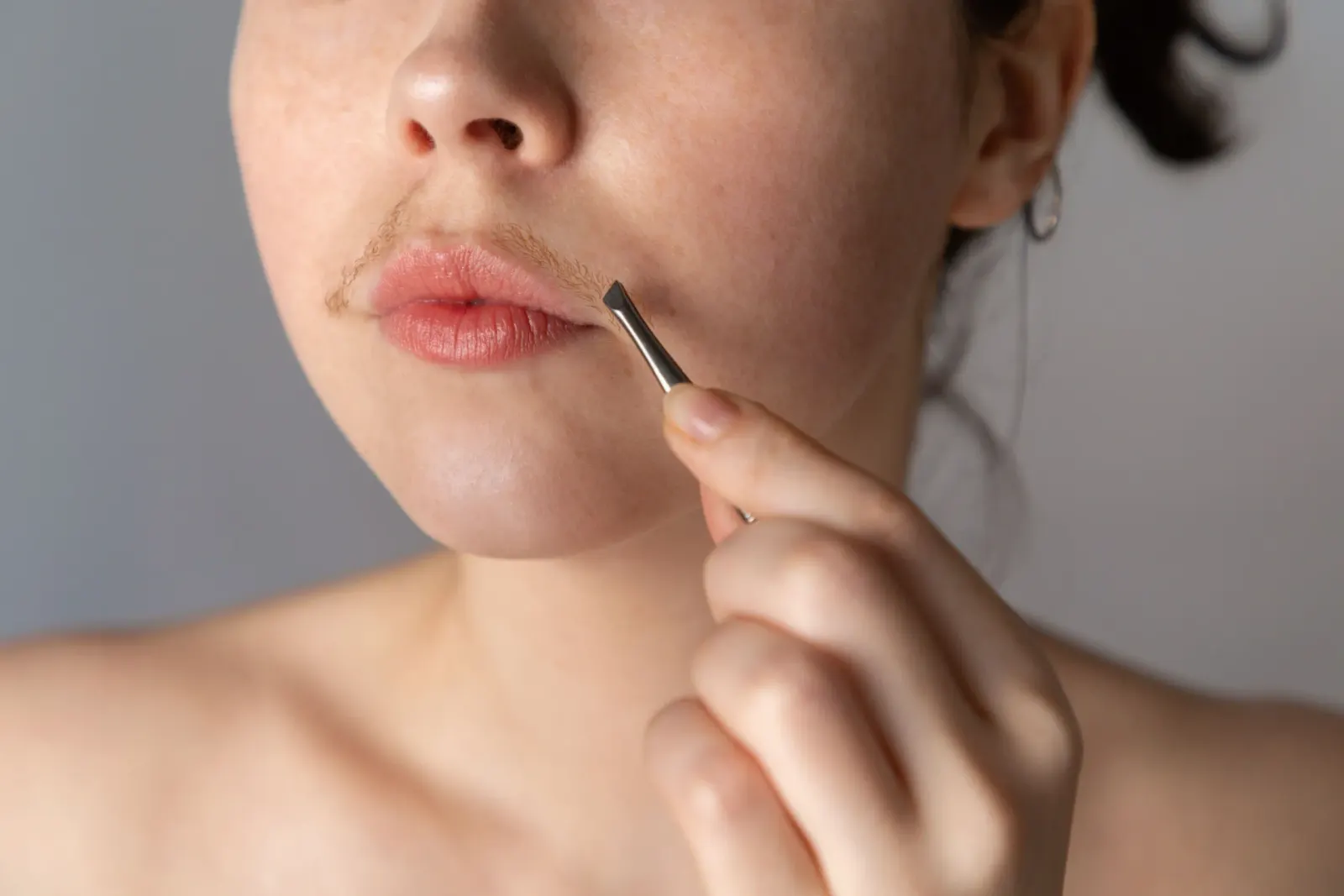
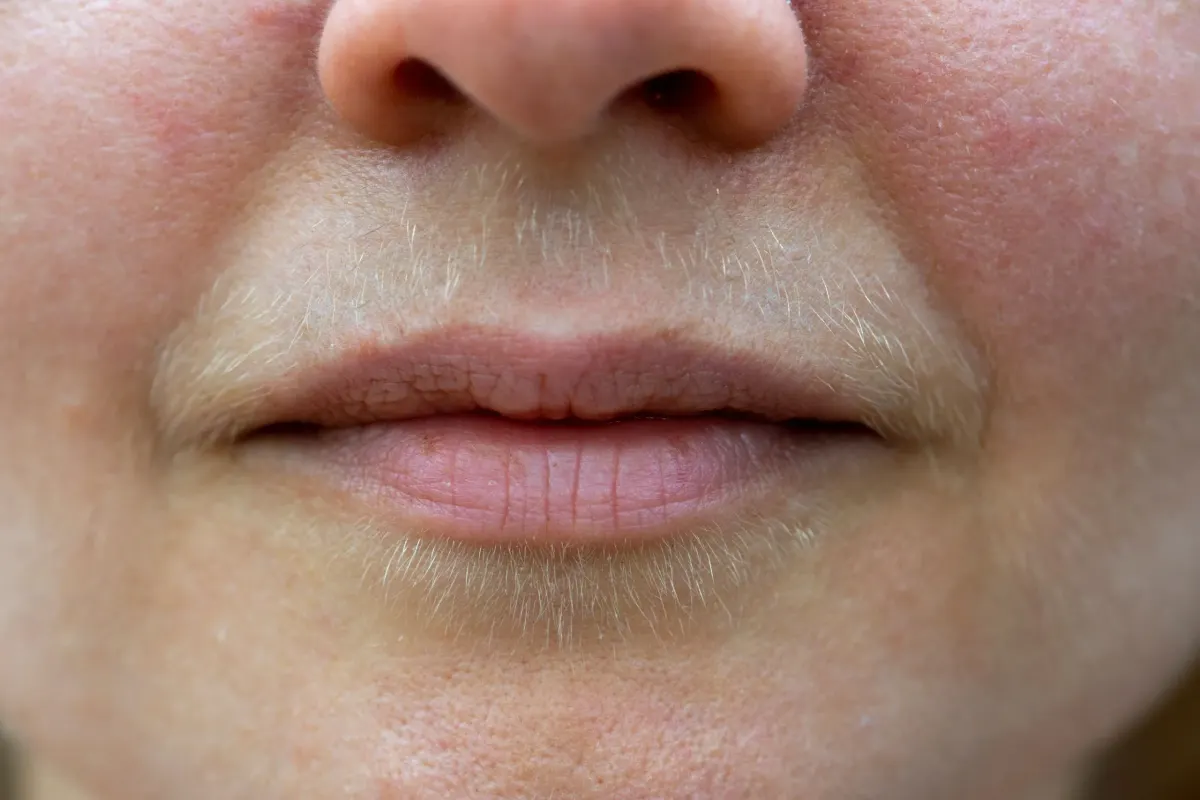
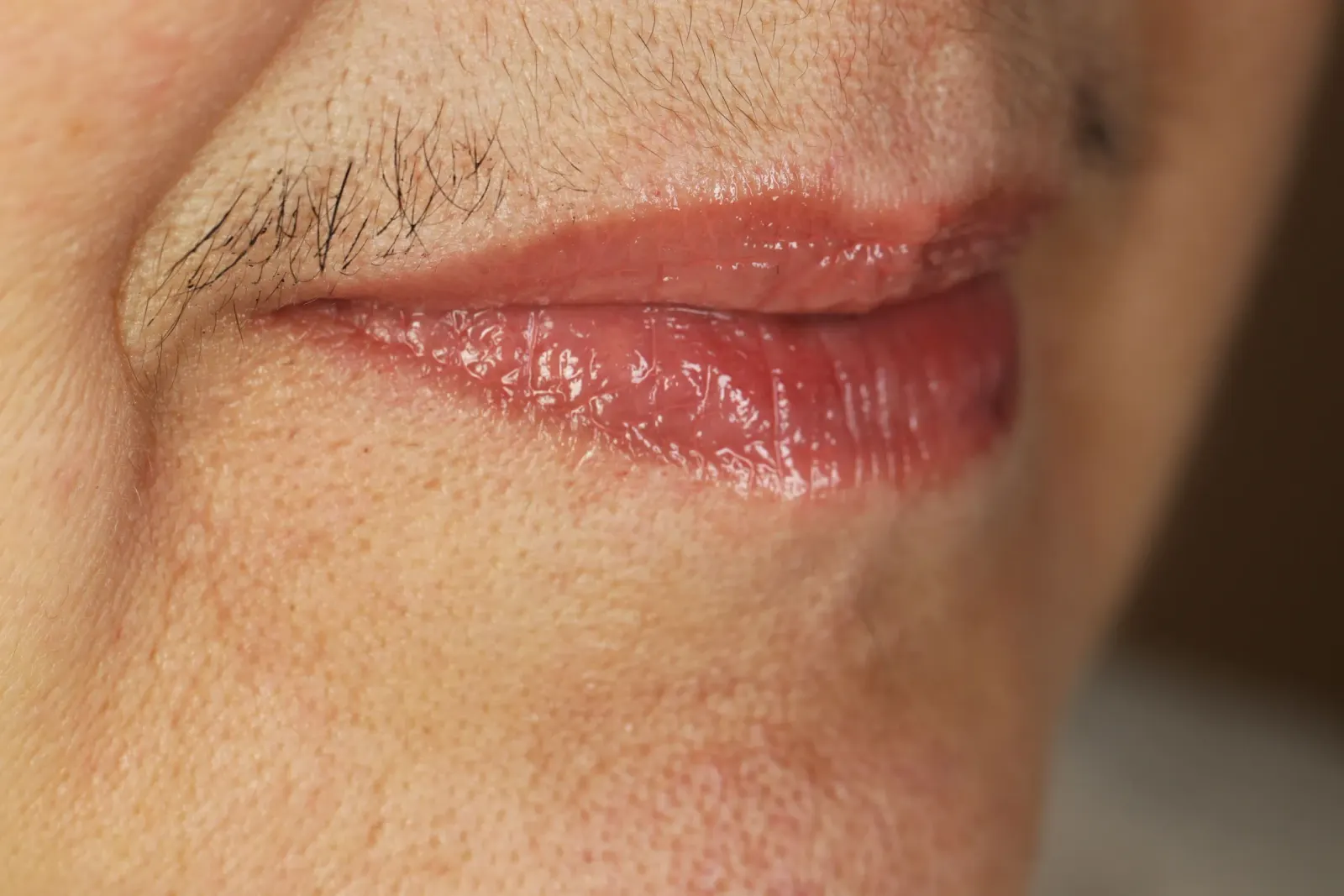
Hair growth is regulated by a complex interplay between hormones, genetics, and the hair follicle growth cycle. Each hair follicle cycles through three distinct phases: anagen (active growth lasting 2-7 years), catagen (transition lasting 2-3 weeks), and telogen (rest lasting approximately 3 months). Only follicles in the anagen phase are susceptible to permanent reduction treatments, which is why multiple sessions are required.
Androgens - particularly testosterone and its potent derivative dihydrotestosterone (DHT) - are the primary hormonal drivers of unwanted hair growth. When androgen levels rise or when hair follicles become hypersensitive to normal androgen levels, terminal hair production increases in androgen-dependent areas. This is why conditions like polycystic ovary syndrome (PCOS), which affects approximately 10% of women of reproductive age, commonly present with unwanted facial and body hair as a primary symptom.
The density of hair follicles per square centimeter is determined entirely by genetics and ethnicity, established before birth. While follicle density cannot change, the thickness, color, and growth rate of individual hairs can be influenced by hormonal shifts, medications, and aging. This is why many people notice increased unwanted hair during puberty, pregnancy, perimenopause, or when taking certain medications that alter hormone levels.
For those seeking an immediate option between laser sessions, our Spa Waxing services provide smooth results without a long-term commitment.