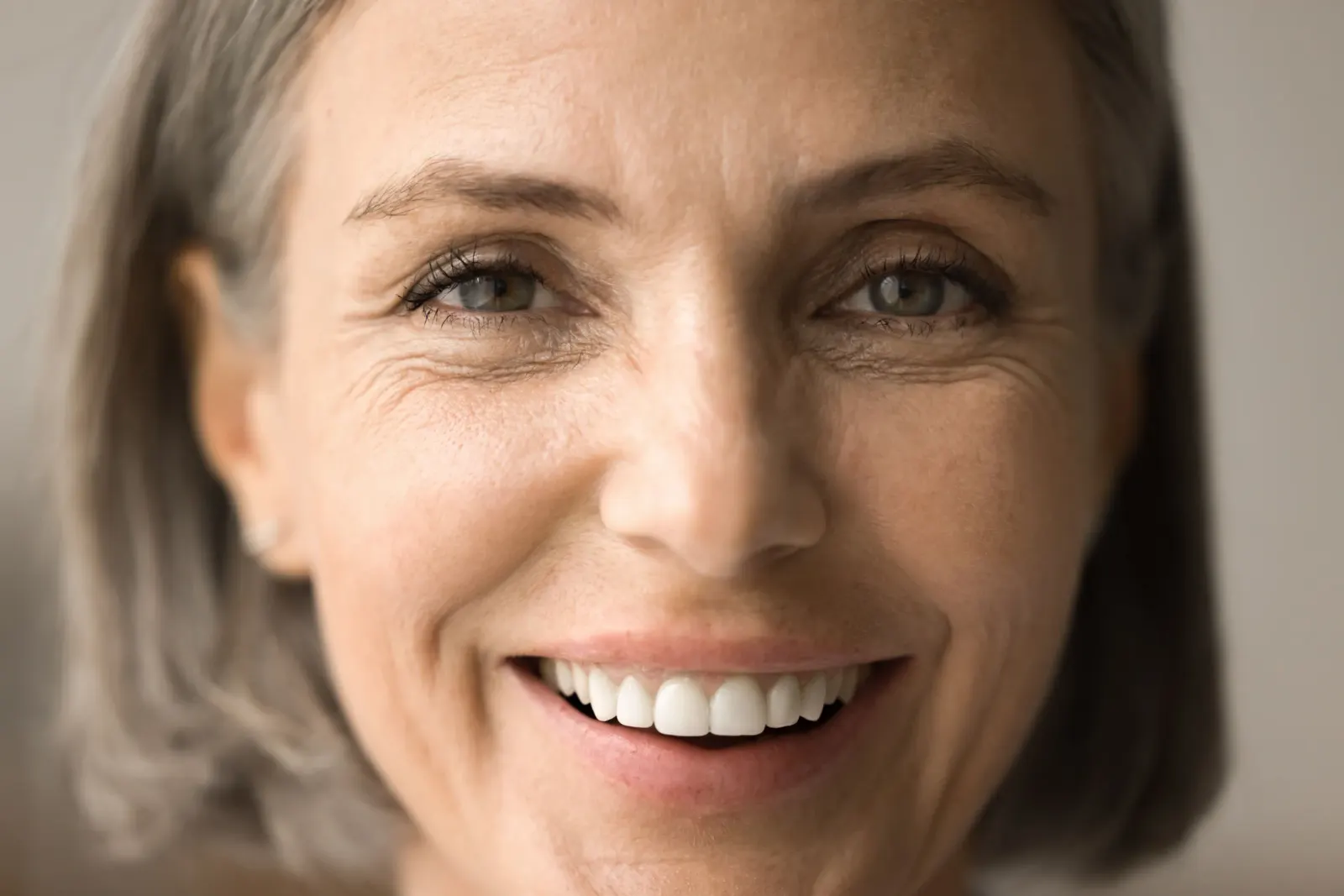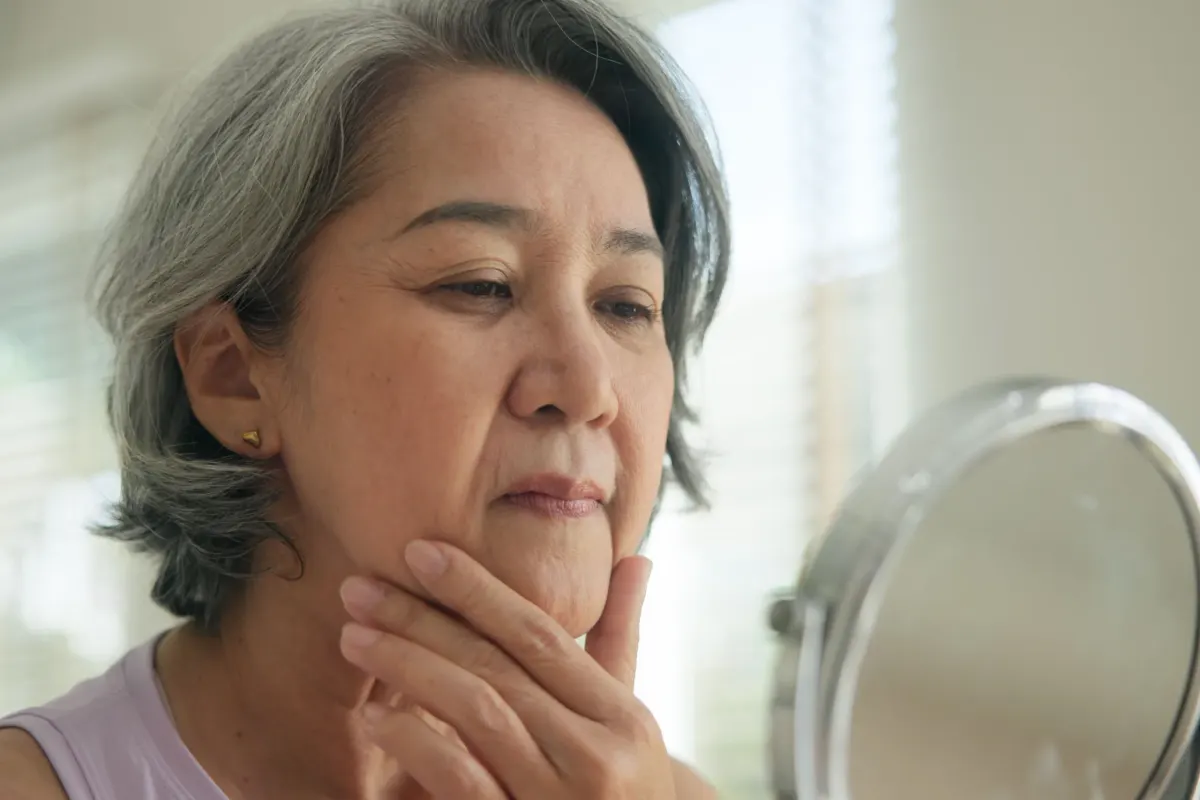
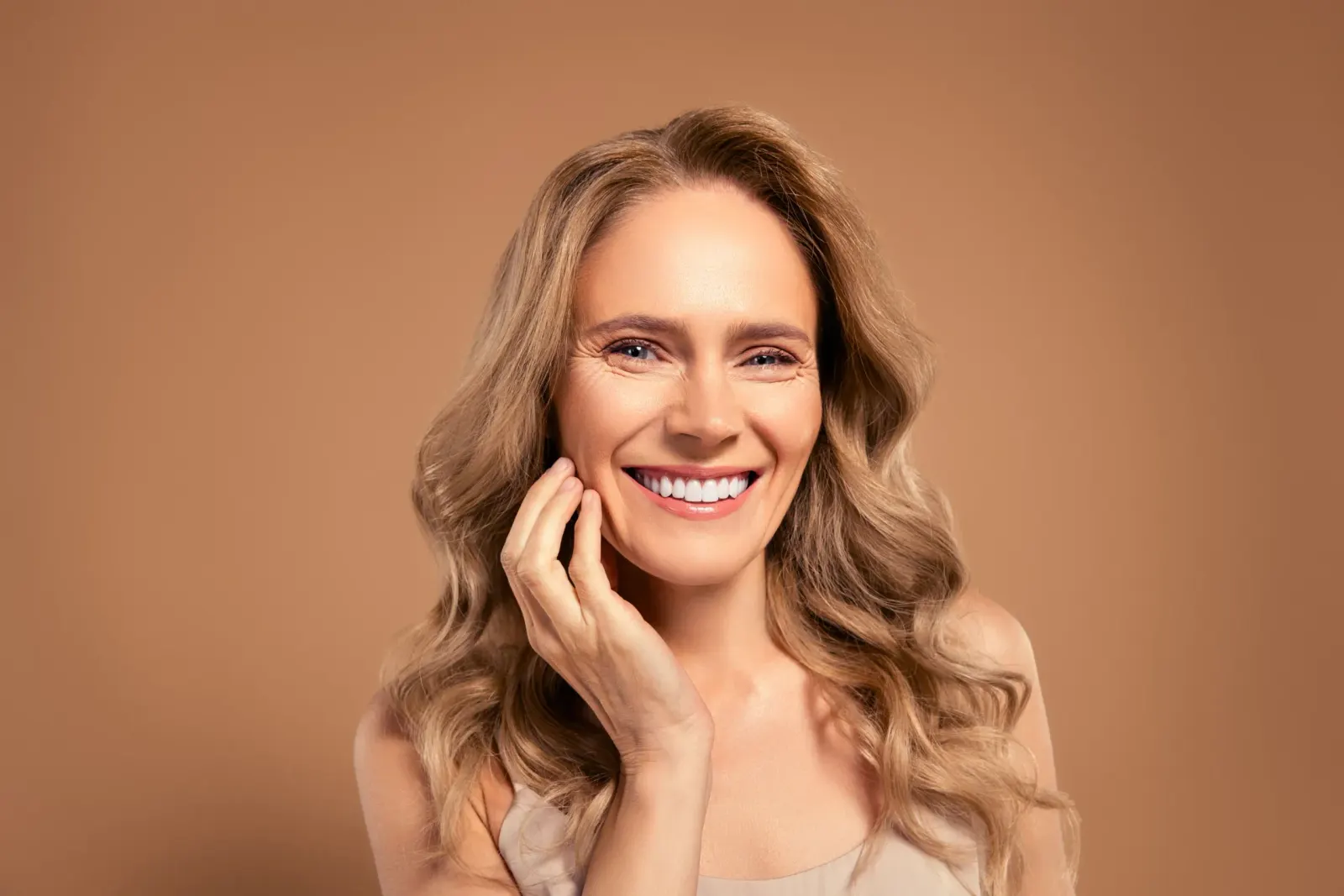
Woman examining facial volume loss in mirror at Eternal Wellness Medical Spa Traverse City

Facial Volume Loss Treatment in Traverse City, MI

Restore Your Natural Contours

Common In:Adults 35+
Primary Causes:Aging, Collagen Loss, Fat Pad Descent
Treatment Time:15-60 minutes
Results:Immediate to 3 months
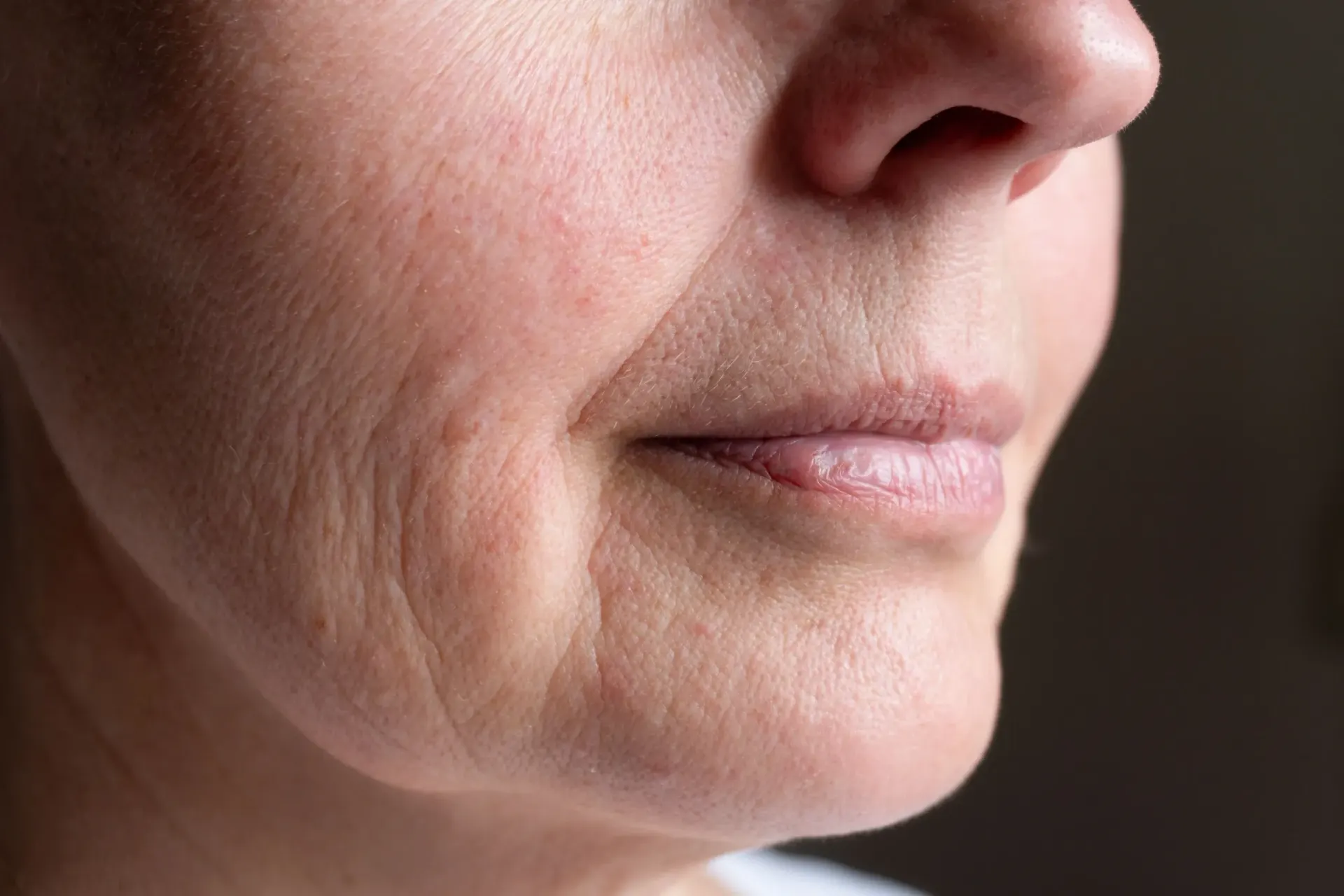
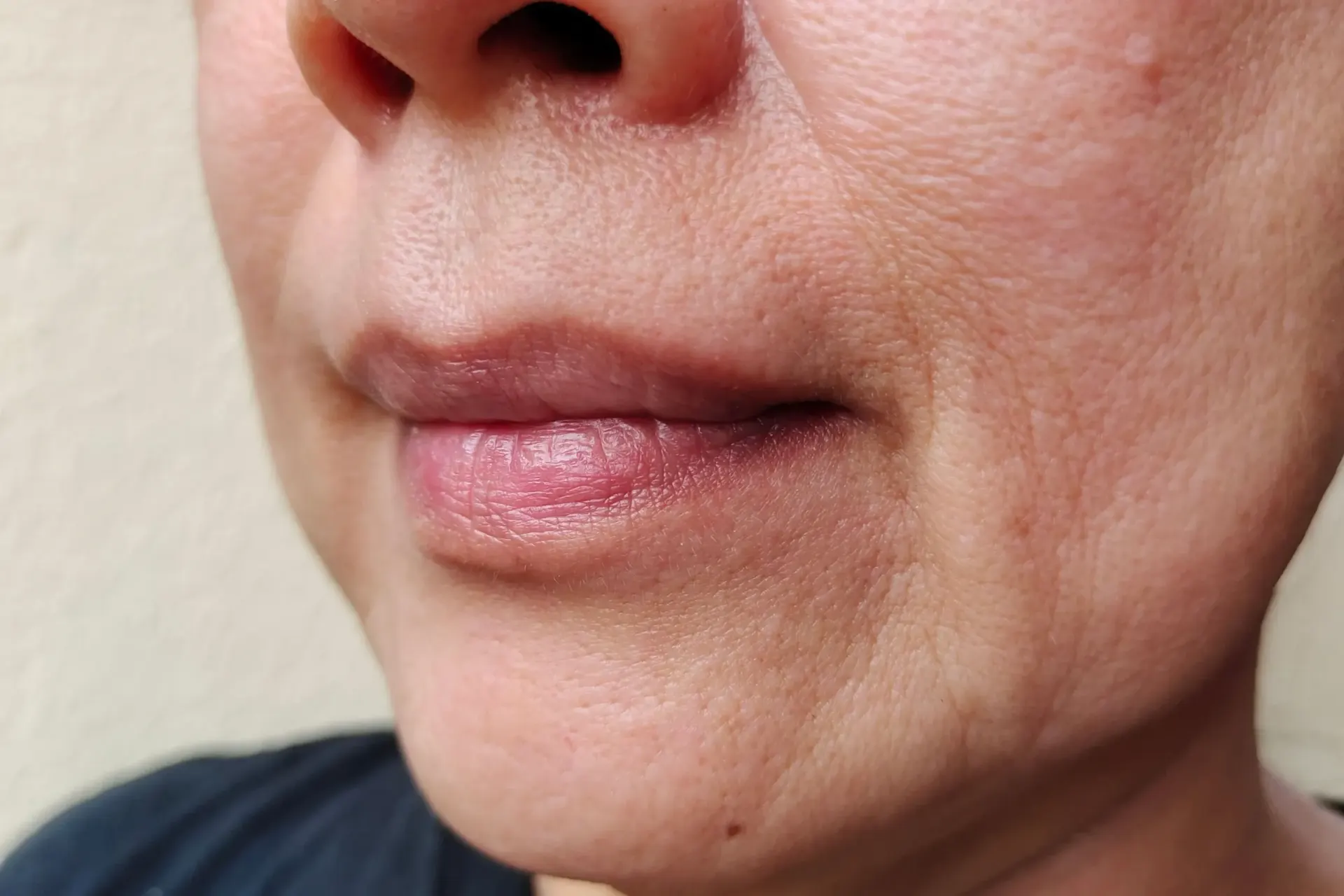
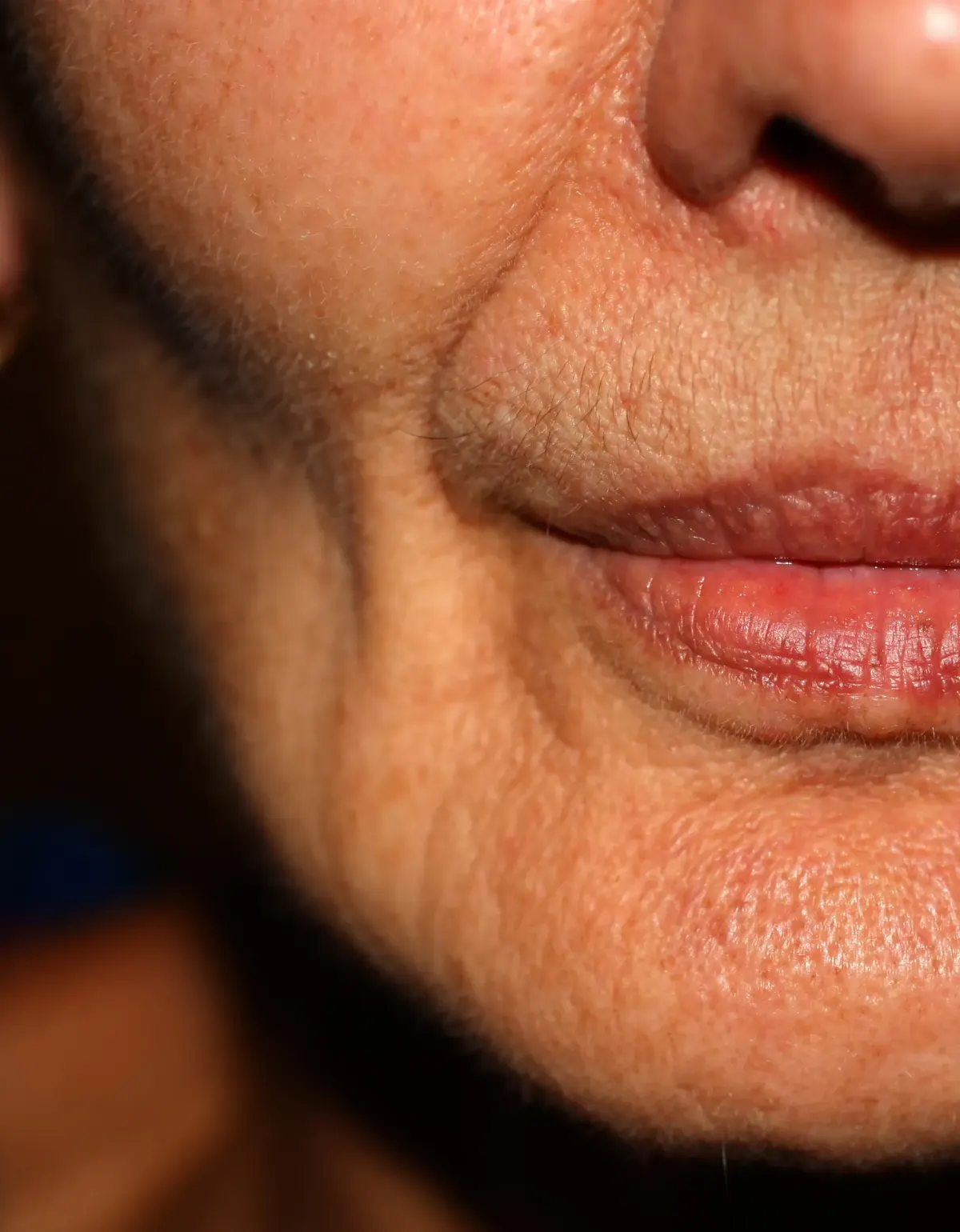
Close-up showing signs of facial volume depletion at Eternal Wellness Medical Spa

What Is Facial Volume Loss?

Recognizing the Signs

Facial volume loss is a progressive condition in which the structural fat pads, collagen matrix, and underlying bone that support your facial contours gradually diminish. Clinically known as age-related lipoatrophy and skeletal remodeling, this process typically begins in the mid-thirties and accelerates through the forties and beyond, altering the proportions that define a youthful appearance.

When you notice that your cheeks appear flatter than they used to, or that the hollows beneath your eyes have deepened, you are observing the visible signs of facial volume loss. The midface loses its fullness first, followed by the temples, jawline, and perioral region, creating shadows and contour changes that make you look tired or older than you feel.

Many patients describe their face as looking "deflated" or "drawn," especially in photographs where the loss of dimension is most apparent. The changes are often subtle at first, but over time they contribute to a gaunt appearance that skincare products alone cannot address.

Illustration of facial aging anatomy and volume changes at Eternal Wellness Medical Spa Traverse City

Why Facial Volume Loss Happens

Understanding the Root Causes

Your face maintains its youthful contours through a complex interplay of deep and superficial fat compartments, a dense collagen-elastin matrix, and the bony scaffold of the skull. Beginning around age 30, collagen production declines by approximately 1% per year, while existing collagen fibers become cross-linked and rigid, reducing the skin's ability to maintain structure and elasticity.

The facial fat pads, which sit in distinct anatomical compartments, begin to atrophy and descend under the influence of gravity. The malar fat pad in the midface loses volume first, causing the cheeks to flatten and nasolabial folds to deepen. As the buccal and temporal fat pads follow, the temples hollow and the lower face loses its smooth contour.

Simultaneously, the facial skeleton itself undergoes resorption, particularly around the eye sockets, the midface, and the jawline. Studies show that the maxilla recedes and the mandible loses height and projection with age, reducing the structural framework that supports overlying soft tissue. This triple mechanism of fat loss, collagen degradation, and bone resorption creates the compounding volume deficit patients experience.

Diagram showing facial fat pad anatomy and structural changes at Eternal Wellness Medical Spa

Fat Pad Architecture & Descent

How Structural Changes Reshape Your Face

The face contains over 20 distinct fat compartments organized into superficial and deep layers. The deep medial cheek fat pad (DMCF) and the sub-orbicularis oculi fat (SOOF) provide the foundational volume that creates the smooth convexity of a youthful midface. As these deep compartments atrophy, the overlying superficial fat loses its support and begins to migrate inferiorly, creating the characteristic jowls and marionette lines.

Retaining ligaments, the fibrous tethering points that anchor facial soft tissue to bone, play a critical role in this process. As surrounding fat deflates, these ligaments become relatively more prominent, creating visible creases at predictable anatomical locations, including the tear trough, the nasolabial fold, and the labiomandibular crease. The ligaments themselves do not stretch significantly; rather, the tissue between them sags.

Hormonal changes, particularly the decline in estrogen during perimenopause and menopause, accelerate both fat redistribution and collagen breakdown. Estrogen receptors in dermal fibroblasts regulate collagen synthesis, and reduced estrogen levels have been shown to decrease dermal thickness by up to 1.13% per year in postmenopausal women, compounding the volumetric changes already underway.

Lifestyle factors contributing to facial volume loss at Eternal Wellness Medical Spa Traverse City

What Accelerates Facial Volume Loss?

Identifying Your Triggers

01

Natural Aging

After age 30, the body produces less collagen and hyaluronic acid each year, while facial fat compartments gradually shrink and the underlying bone resorbs, reducing the scaffolding that maintains facial fullness.

02

Fat Pad Descent

Gravity causes the deep and superficial fat pads to migrate downward over time, redistributing volume from the midface and temples to the lower face, creating hollows above and heaviness below.

03

Collagen Degradation

UV exposure, oxidative stress, and advanced glycation end products (AGEs) break down collagen fibers faster than the body can replace them, weakening the structural matrix that supports facial volume.

04

Bone Resorption

The facial skeleton loses density and projection with age, particularly around the eye sockets, maxilla, and mandible, reducing the bony framework that supports overlying soft tissue.

05

Weight Fluctuations

Significant weight loss reduces subcutaneous facial fat, while repeated weight cycling can permanently damage the fat compartments' ability to maintain consistent volume and distribution.

06

Genetic Predisposition

Inherited facial structure, skin thickness, and fat distribution patterns determine how early and how prominently volume loss manifests, with leaner facial types often showing changes sooner.

Eternal Wellness Medical Spa clinic interior in Traverse City Michigan

Why Choose Eternal Wellness Medical Spa

Expert Care in Traverse City

  • Comprehensive Assessment
  • Personalized Treatment Plans
  • Advanced Techniques
  • Physician-Supervised Care

Treatment Options Comparison

Finding Your Best Approach

Treatment Best For Session Time Results Timeline Maintenance
Dermal Fillers Targeted volume restoration 15-45 min Immediate 6-18 months
Juvederm Cheeks, lips, midface fullness 15-30 min Immediate 12-18 months
Restylane Under-eyes, fine lines, lips 15-30 min Immediate 6-12 months
Sculptra Progressive collagen rebuilding 30-60 min 2-3 months 2+ years
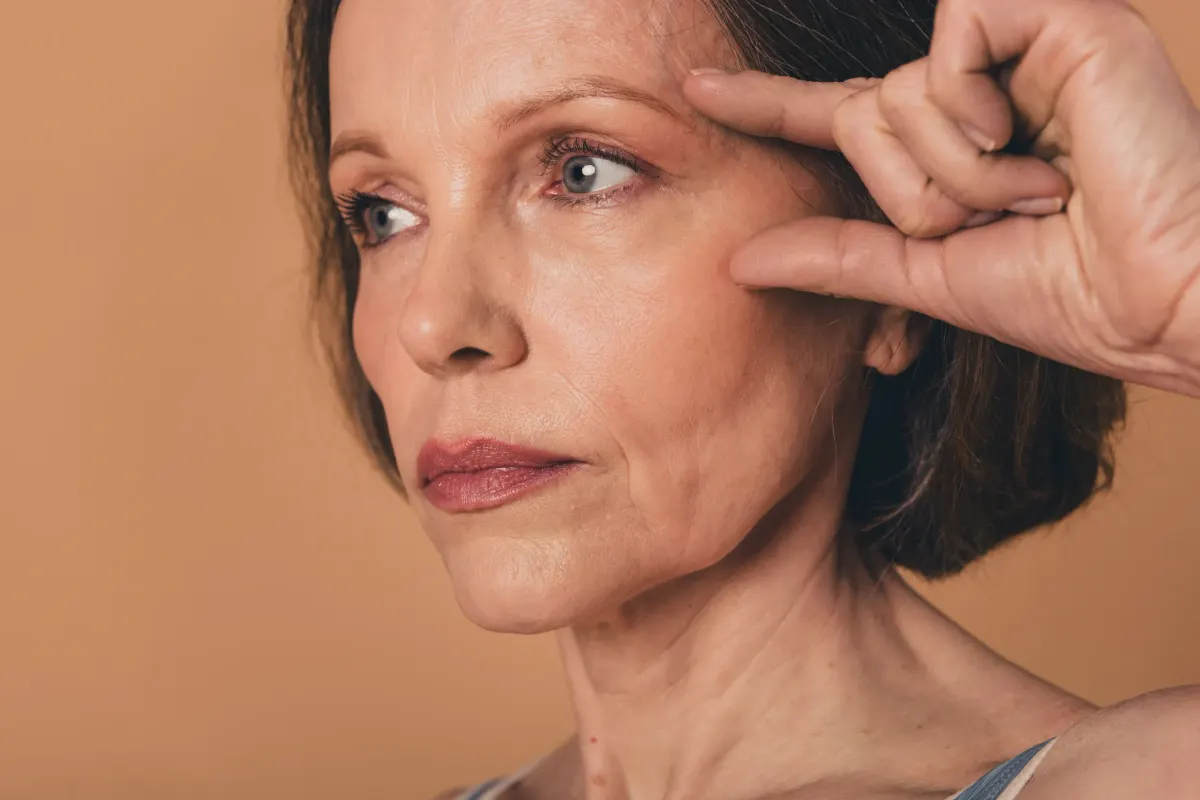
Patient concerned about facial volume changes consulting at Eternal Wellness Medical Spa

You May Be Experiencing Facial Volume Loss If...

Recognizing When to Seek Help

  • Flattened Cheeks
  • Hollow Temples
  • Deepening Folds
  • Under-Eye Hollows
  • Sagging Jawline
  • Tired Appearance

Frequently Asked Questions

About Facial Volume Loss

01 Can I prevent facial volume loss from getting worse?

While you cannot stop the natural aging process entirely, consistent sun protection, a nutrient-rich diet, adequate hydration, and avoiding smoking can slow collagen breakdown and fat pad atrophy. Professional treatments like Sculptra can stimulate your body's own collagen production to help maintain volume over time.

02 How do I know which filler treatment is right for my volume loss?

The best approach depends on where you are losing volume, how much restoration you need, and your timeline for results. During your consultation, Brittnee Keyes, FNP-BC, assesses your facial anatomy and recommends the most appropriate product or combination, whether that is Juvederm for immediate cheek fullness or Sculptra for gradual, widespread rejuvenation.

03 How quickly will I see improvement after treatment?

Hyaluronic acid fillers like Juvederm and Restylane provide immediate volume restoration, though final results settle over one to two weeks as mild swelling resolves. Sculptra works differently, stimulating collagen production over two to three months with full results typically visible after a series of sessions.

04 Is facial volume loss a normal part of aging?

Yes, facial volume depletion is a natural and universal part of the aging process. Studies show that the midface loses approximately 1 mL of volume per year after age 40. The rate and pattern of loss vary based on genetics, lifestyle, and hormonal changes, particularly during menopause.

05 Can facial volume loss and skin laxity be treated together?

Many patients experience both volume loss and skin laxity simultaneously, as the two conditions share common root causes including collagen degradation and structural changes. A comprehensive treatment plan may address both concerns, restoring volume to provide internal support while also improving skin firmness for optimal results.

06 What can I do at home to support my facial volume?

A medical-grade skincare routine with retinoids, vitamin C, and peptides can support collagen maintenance between professional treatments. Staying well-hydrated, eating adequate protein and healthy fats, and wearing broad-spectrum SPF 30 or higher daily all help preserve your skin's structural integrity.

07 Are dermal filler treatments painful?

Most patients describe the sensation as mild pressure or a brief pinch. Modern fillers contain lidocaine for built-in numbing, and we apply topical anesthetic before treatment to ensure your comfort. The procedure is well-tolerated, and many patients return to their daily routine immediately afterward.

08 When should I see a professional about facial volume loss?

If you notice persistent hollowing in your temples or cheeks, deepening nasolabial folds, or an overall tired appearance that does not improve with rest or skincare, a professional assessment can help determine the extent of volume loss and the most effective treatment approach. Early intervention typically requires less product and delivers more natural results.

Location400 W Front St, #200
Traverse City, MI, 49684

Schedule Your Consultation

Scientific References