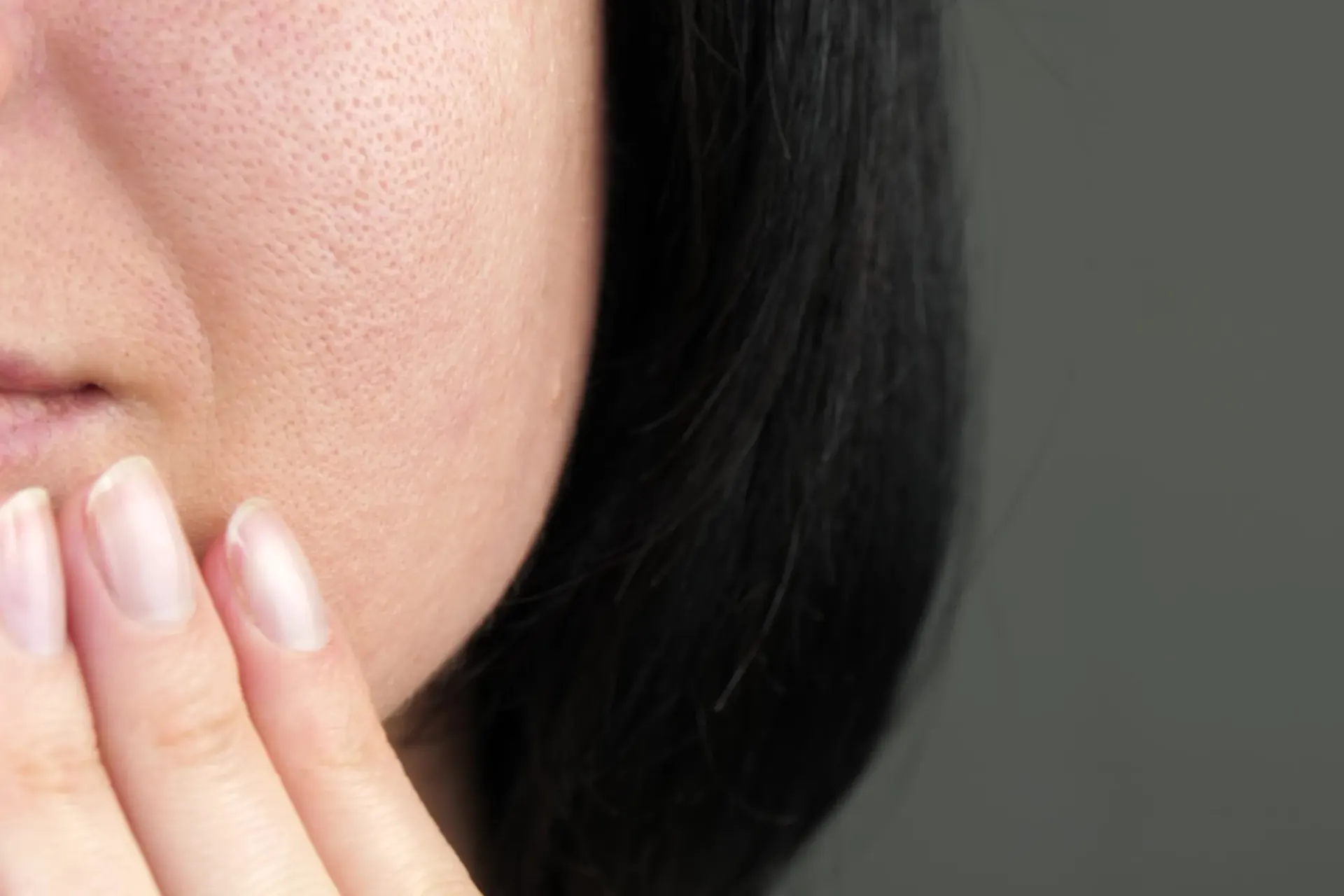
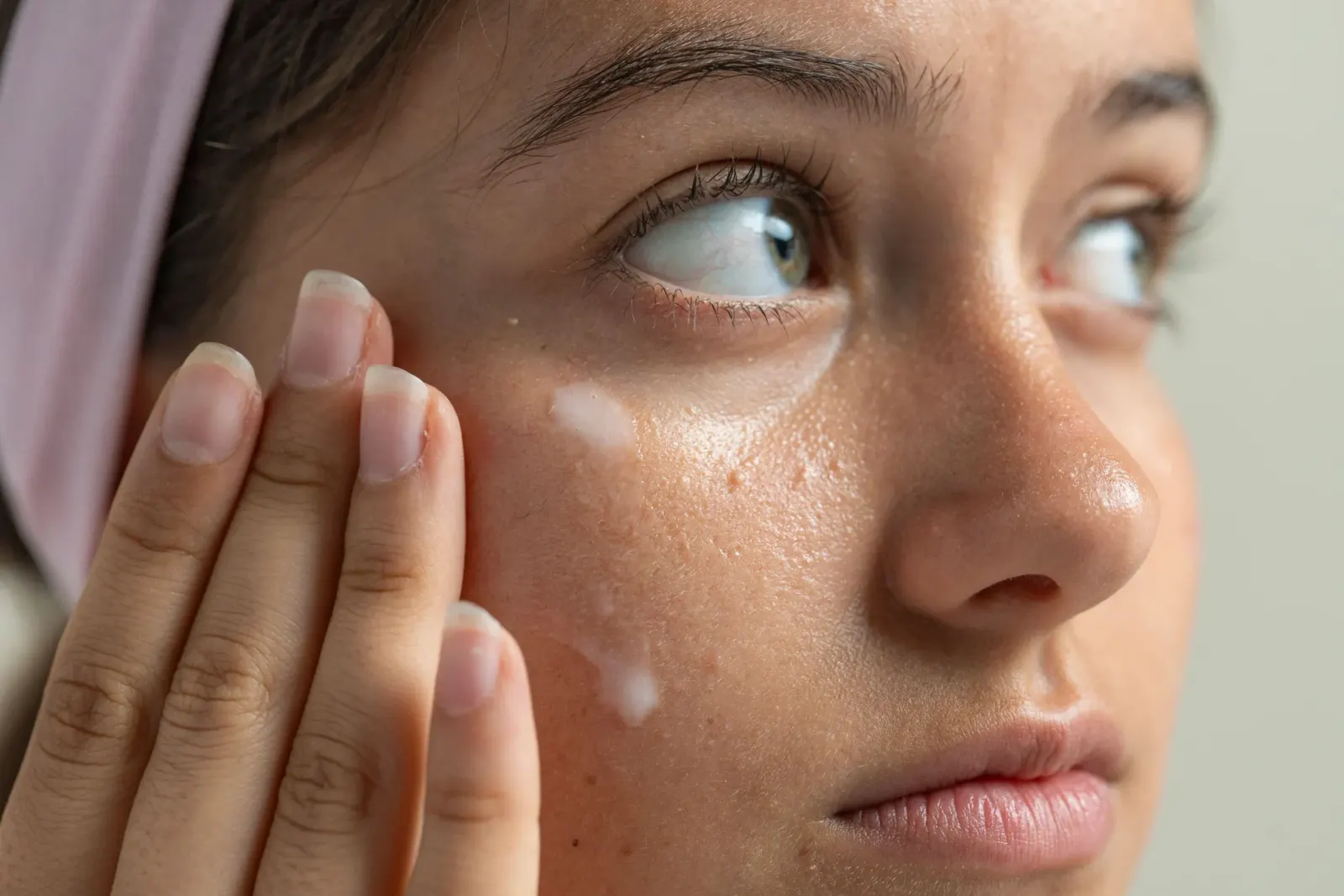
Healthy, radiant skin depends on efficient cellular turnover - the continuous cycle in which new skin cells form in the basal layer and migrate to the surface over approximately 28 days. As we age or encounter environmental stress, this cycle can slow to 45-60 days, allowing dead cells to accumulate on the surface and block the smooth light reflection that creates a natural glow.
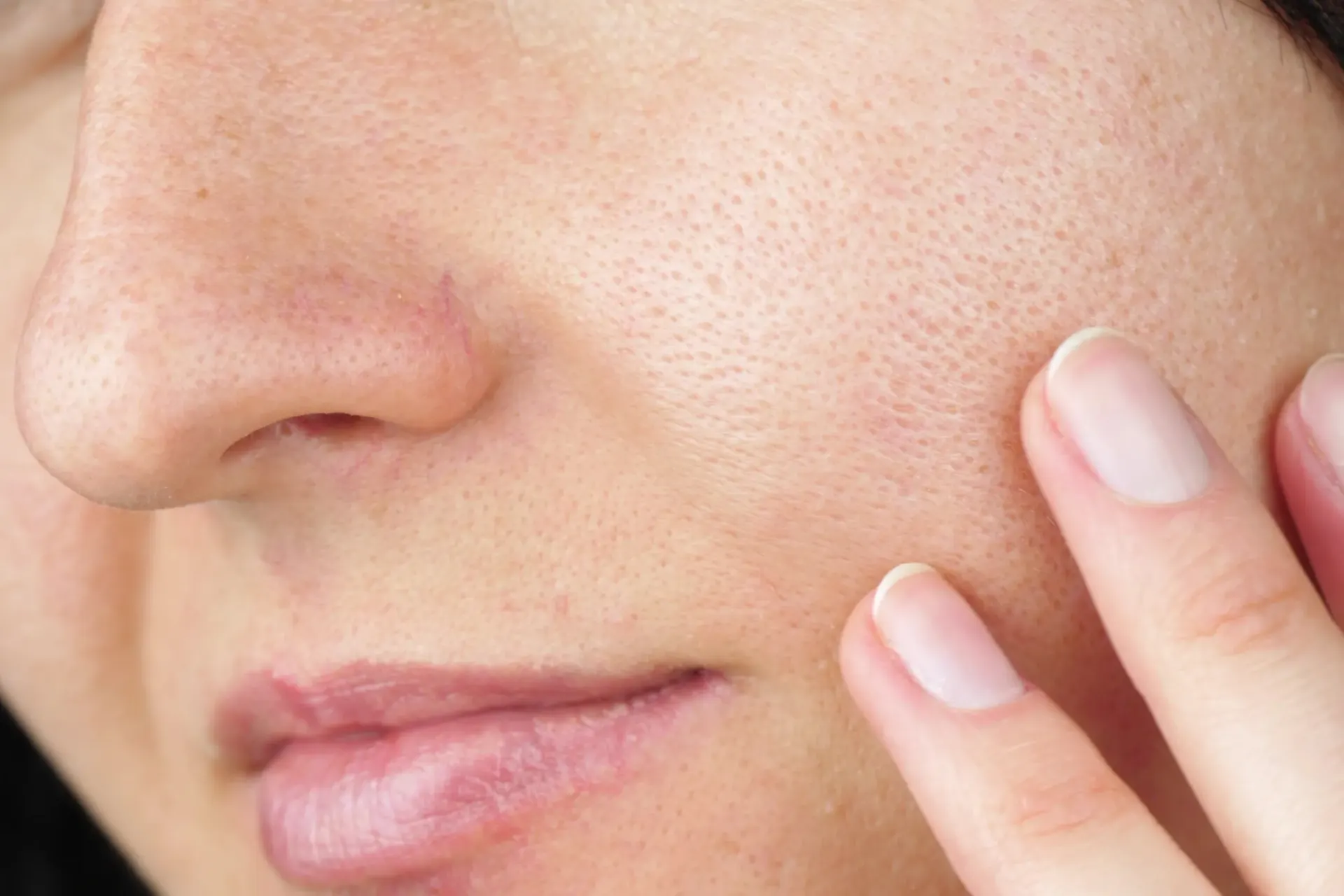
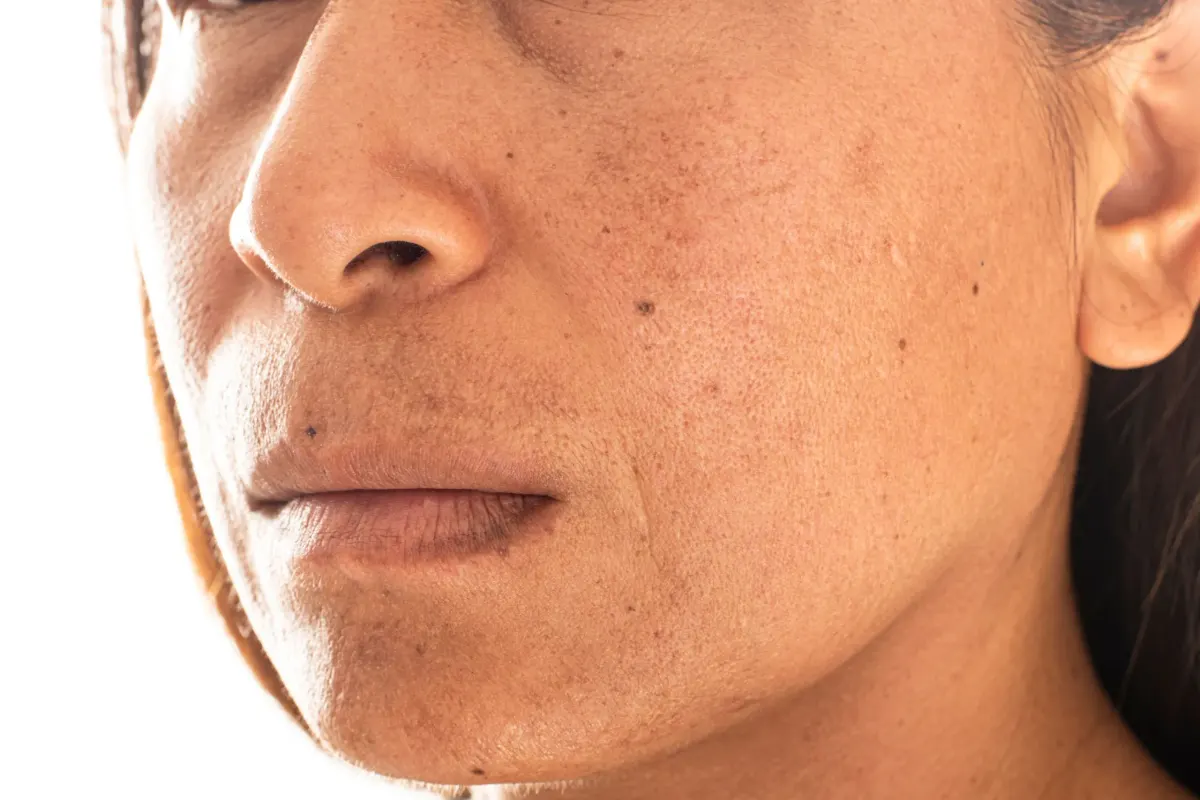
When cellular turnover slows, the stratum corneum - the outermost layer of skin - thickens with compacted dead cells. This layer scatters light unevenly instead of reflecting it smoothly, producing the flat, lifeless appearance characteristic of dull skin. Simultaneously, uneven melanin distribution beneath this rough surface creates the patchy discoloration patients notice as "uneven tone."
The skin's moisture barrier, composed of ceramides, cholesterol, and fatty acids, plays a critical role in maintaining surface smoothness and radiance. When this barrier becomes compromised through environmental damage or dehydration, transepidermal water loss increases and the surface becomes rough and irregular, compounding the dull appearance with a dry, flaky texture.
Restoring barrier function often requires professional exfoliation and skin-remodeling treatments like our VI Chemical Peel or SkinPen microneedling, which accelerate healthy cellular turnover.