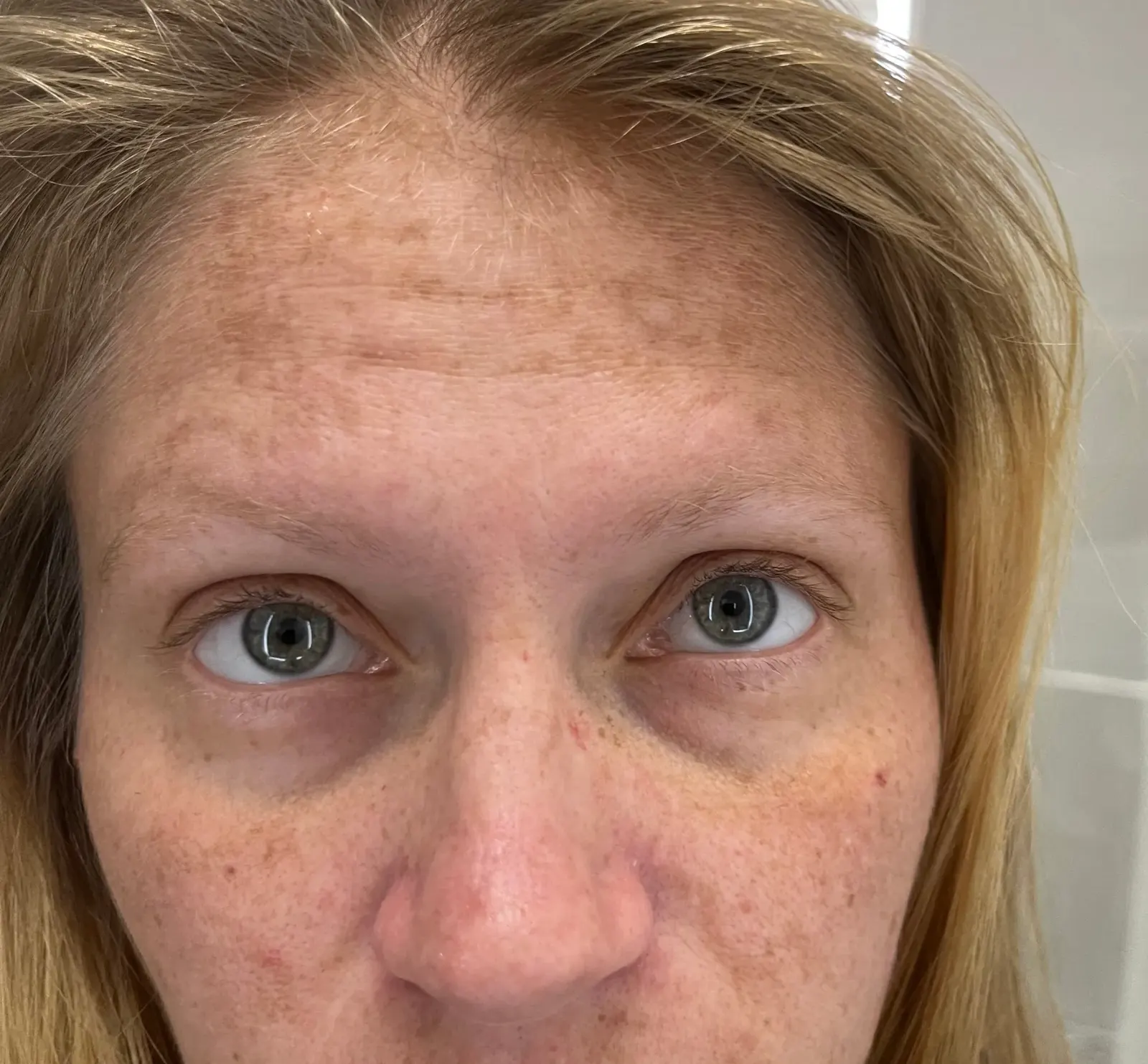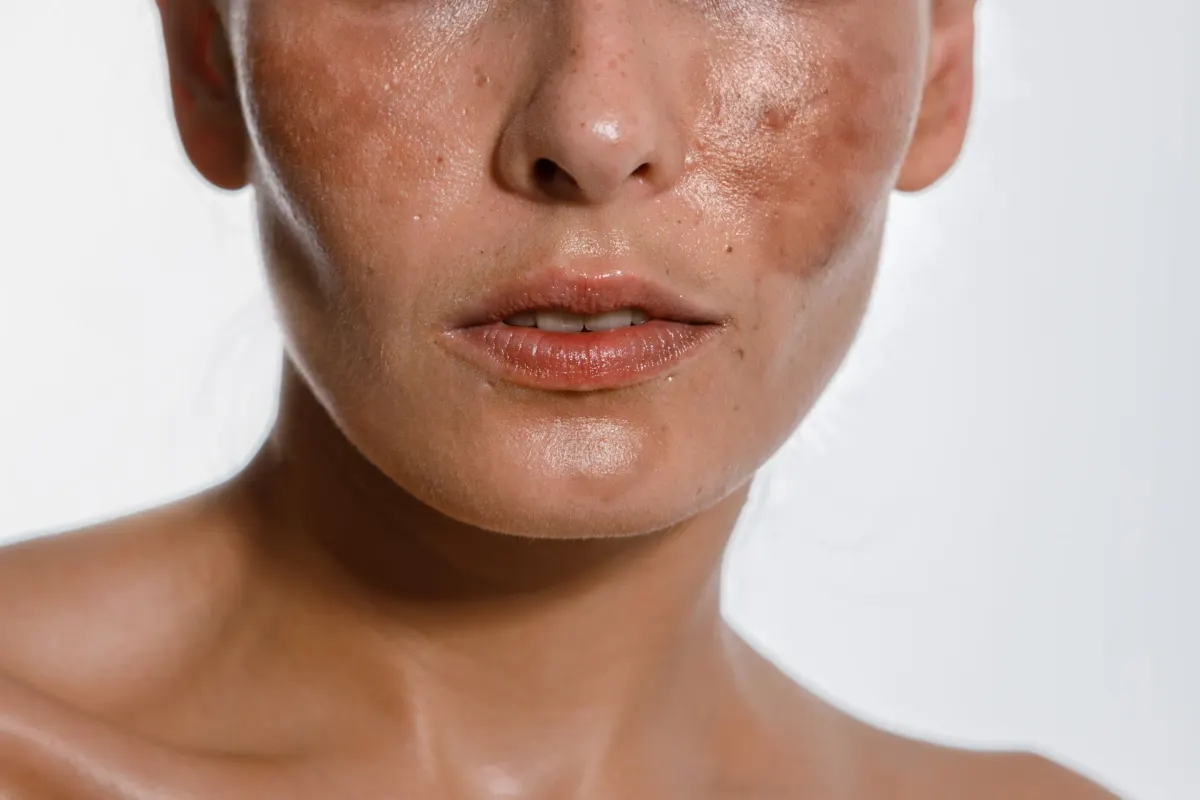
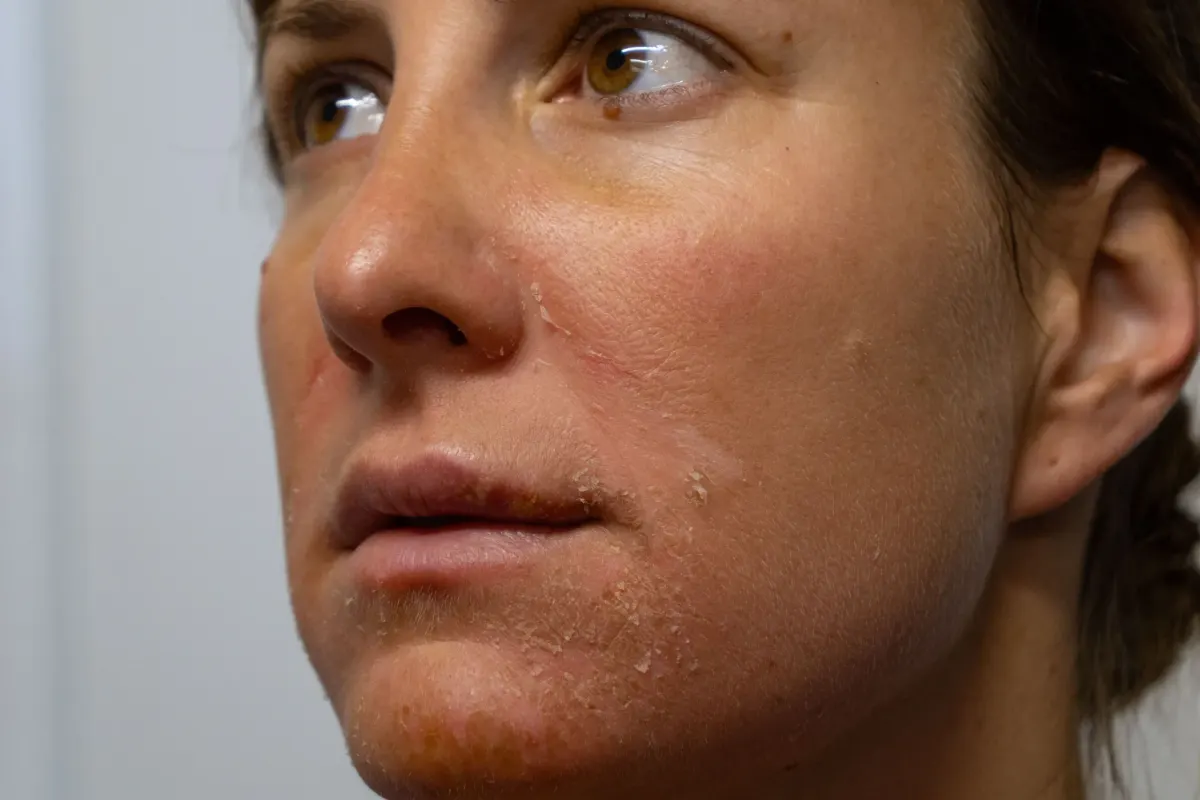

Woman examining hyperpigmentation on her skin at Eternal Wellness Medical Spa Traverse City

Hyperpigmentation & Sun Damage Treatment in Traverse City, MI

Restore Your Clear, Even Complexion

Common In:Adults 25+
Primary Causes:UV, Hormones, Inflammation
Treatment Time:20-45 minutes
Results:1-4 weeks
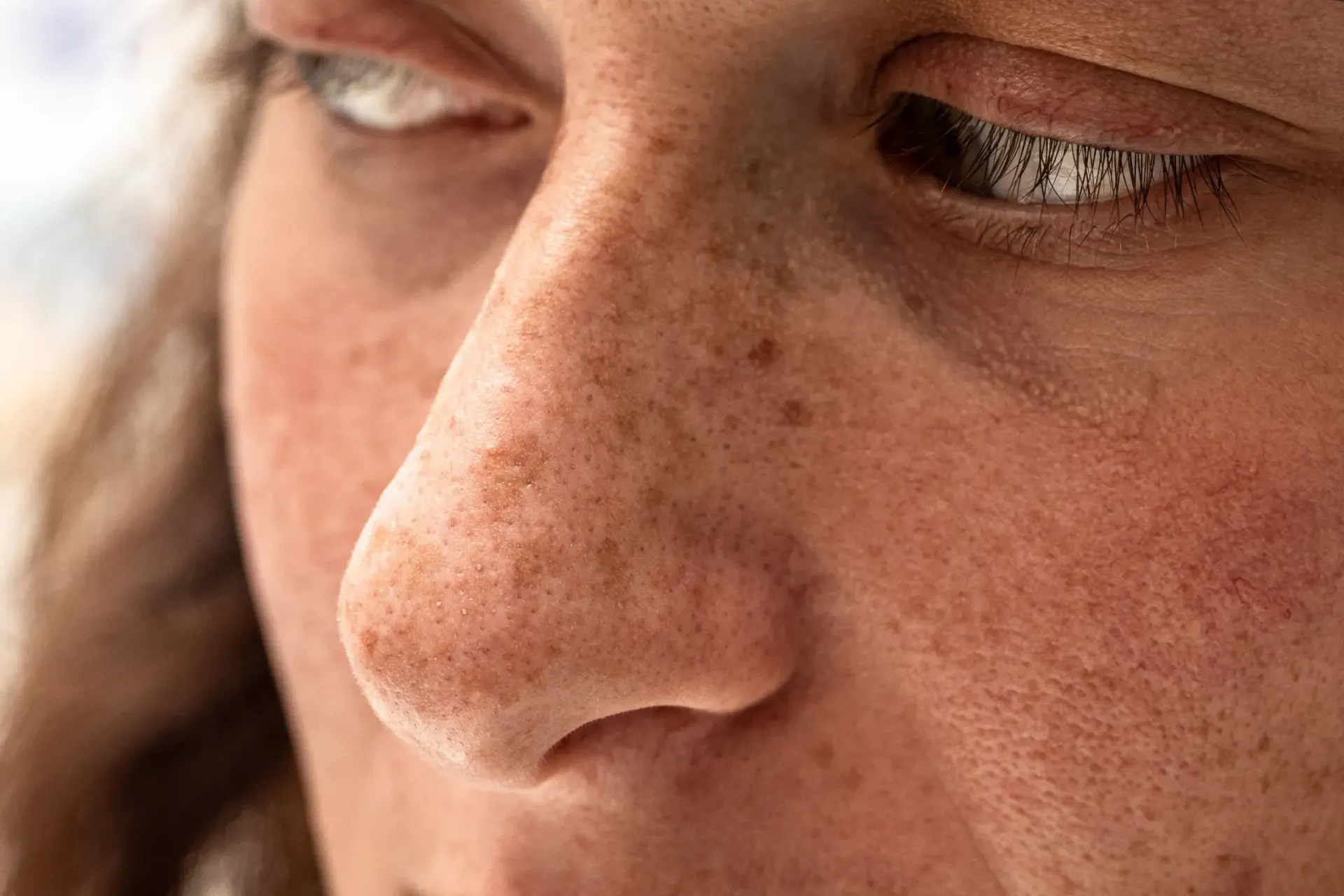
Close-up showing hyperpigmentation and uneven skin tone at Eternal Wellness Medical Spa Traverse City

What Is Hyperpigmentation & Sun Damage?

Recognizing the Signs

Hyperpigmentation is a common dermatological condition in which patches of skin become darker than the surrounding tissue due to excess melanin production. Sun damage -- also called photoaging -- refers to cumulative ultraviolet-induced changes including dark spots, uneven tone, and textural irregularities that develop over months to decades of exposure.

When you notice dark spots appearing on your cheeks, forehead, or hands that were not there before, or when your once-even complexion now looks blotchy and uneven, you are seeing the visible signs of hyperpigmentation and sun damage. These changes often become more apparent after summer or during times of hormonal fluctuation.

Many patients describe feeling self-conscious about their skin tone, noticing that makeup cannot fully conceal stubborn dark patches. The uneven coloring can make you appear older than you feel, and over-the-counter brightening products often fail to deliver the dramatic improvement you are hoping for.

Illustration of melanin production and UV damage processes at Eternal Wellness Medical Spa Traverse City

Why Hyperpigmentation & Sun Damage Happen

Understanding the Root Causes

Melanin production is governed by specialized cells called melanocytes located in the basal layer of the epidermis. Under normal conditions, melanocytes distribute pigment evenly to protect skin from UV radiation. However, when melanocytes become overactivated -- through UV exposure, inflammation, or hormonal signals -- they produce excess melanin that accumulates in concentrated deposits, creating visible dark spots and patches.

Ultraviolet radiation triggers a cascade of molecular damage beginning with DNA photoproducts in keratinocytes. These damaged cells release signaling molecules including alpha-melanocyte-stimulating hormone, which commands melanocytes to ramp up pigment production. Over time, this repeated stimulation leads to permanent hyperpigmentation where melanin becomes trapped in deeper dermal layers, making surface-level treatments insufficient.

The skin's natural repair mechanisms decline with age, compounding the problem. Collagen breaks down approximately 1% per year after age 30, while cellular turnover slows from a 28-day cycle to 45 days or longer. This means damaged, pigmented cells linger on the surface longer, and the skin's ability to self-correct uneven pigmentation diminishes progressively.

Diagram showing melanin pathways and pigment regulation at Eternal Wellness Medical Spa Traverse City

Melanin Pathways & Pigment Regulation

How Pigment Production Becomes Dysregulated

Melanogenesis -- the biochemical process of melanin synthesis -- involves a complex enzyme cascade within melanocytes. Tyrosinase, the rate-limiting enzyme in this pathway, converts the amino acid tyrosine into melanin pigment. When tyrosinase activity becomes upregulated by UV exposure, inflammation, or hormonal triggers, melanocytes overproduce pigment and transfer it unevenly to surrounding keratinocytes, creating the visible dark patches characteristic of hyperpigmentation.

Hormonal influences play a particularly significant role in melasma, a subtype of hyperpigmentation that affects up to 33% of women during pregnancy or while taking oral contraceptives. Estrogen and progesterone receptors on melanocytes directly stimulate pigment production, which is why melasma often appears symmetrically on the cheeks, forehead, and upper lip. This hormonal connection makes melasma uniquely challenging to treat and prone to recurrence.

Post-inflammatory hyperpigmentation occurs when skin injury -- from acne, burns, or aggressive treatments -- triggers an inflammatory response that stimulates melanocytes in the healing zone. The resulting dark marks can persist for months or years, particularly in individuals with darker skin tones where melanocytes are naturally more reactive. This type of pigmentation requires careful treatment selection to avoid further inflammation that could worsen the condition.

Lifestyle factors affecting hyperpigmentation at Eternal Wellness Medical Spa Traverse City

What Accelerates Hyperpigmentation & Sun Damage?

Identifying Your Triggers

01

UV Exposure

Cumulative sun exposure is the single greatest driver of hyperpigmentation, with even brief unprotected exposure triggering melanocyte activation that compounds over years.

02

Hormonal Changes

Pregnancy, oral contraceptives, and hormone replacement therapy stimulate estrogen receptors on melanocytes, triggering melasma patterns on the face.

03

Post-Inflammatory Response

Acne breakouts, skin injuries, and overly aggressive treatments create inflammation that stimulates excess pigment production in the healing area.

04

Aging

Natural decline in cellular turnover means pigmented cells accumulate on the surface longer, while decades of UV damage become increasingly visible after age 35.

05

Medications

Certain antibiotics, anti-seizure drugs, and chemotherapy agents increase photosensitivity or directly stimulate melanin production as a side effect.

06

Genetic Predisposition

Individuals with Fitzpatrick skin types III through VI have more active melanocytes that respond more aggressively to triggers, increasing susceptibility to pigment disorders.

Eternal Wellness Medical Spa clinic interior in Traverse City Michigan

Why Choose Eternal Wellness Medical Spa

Expert Care in Traverse City

  • Comprehensive Assessment
  • Personalized Treatment Plans
  • Advanced Technologies
  • Medical Oversight

Treatment Options Comparison

Finding Your Best Approach

Treatment Best For Session Time Results Timeline Maintenance
Lumecca IPL Sun spots & redness 20-30 min 1-2 weeks 1-2 sessions yearly
VI Chemical Peel Melasma & deep pigment 30 min 1-2 weeks Every 4-6 weeks
HydraFacial Mild discoloration & glow 30-45 min Immediate Monthly
Person concerned about dark spots and uneven skin tone at Eternal Wellness Medical Spa Traverse City

You May Be Experiencing Hyperpigmentation If...

Recognizing When to Seek Help

  • New Dark Spots
  • Uneven Skin Tone
  • Stubborn Melasma
  • Post-Acne Marks
  • Makeup Frustration
  • Sun Damage Signs

Frequently Asked Questions

About Hyperpigmentation & Sun Damage

01 Can I prevent hyperpigmentation from getting worse?

Daily broad-spectrum SPF 30 or higher is the single most important step for preventing further darkening. Avoiding peak sun hours, wearing protective clothing, and using antioxidant serums can significantly slow progression. However, existing deep pigmentation typically requires professional treatment to resolve.

02 How do I know which treatment is right for my type of pigmentation?

A professional skin assessment determines your pigmentation type -- whether it is sun-induced lentigines, melasma, or post-inflammatory marks -- and your Fitzpatrick skin type. Different types respond to different treatments. For example, Lumecca IPL is excellent for sun spots but requires careful consideration for melasma.

03 How quickly will I see improvement in my dark spots?

Many patients notice visible lightening within one to two weeks after Lumecca IPL or VI Chemical Peel treatments. Sun spots often darken initially before flaking away, revealing clearer skin beneath. A series of treatments typically delivers the most dramatic improvement over two to three months.

04 Is it normal for dark spots to appear as I age?

Yes, cumulative UV exposure over decades causes melanocytes to produce pigment unevenly, resulting in age spots and solar lentigines that become more visible after age 35. While this process is a natural part of aging, professional treatments can effectively reverse much of this visible damage.

05 Can Northern Michigan sun cause significant skin damage?

Absolutely. UV radiation is present year-round, even on cloudy days and during winter when snow reflects up to 80% of UV rays. Patients in Traverse City and surrounding areas often underestimate their cumulative exposure from outdoor activities like boating, skiing, and hiking.

06 What can I do at home between professional treatments?

A consistent regimen including daily SPF, vitamin C serum, and targeted brightening ingredients like niacinamide or arbutin supports your professional results. Avoiding unnecessary sun exposure and wearing a wide-brimmed hat during outdoor activities helps prevent new pigmentation from forming.

07 Can multiple treatments be combined for better results?

Yes, many patients achieve optimal results by combining treatments such as Lumecca IPL for surface pigment with VI Chemical Peels for deeper discoloration and regular HydraFacials for ongoing maintenance. Brittnee will design a combination protocol tailored to your specific pigment concerns.

08 Will my hyperpigmentation come back after treatment?

Without ongoing sun protection, new pigmentation can develop over time. Melasma in particular tends to recur with sun exposure or hormonal changes. Consistent SPF use, maintenance treatments, and medical-grade skincare help preserve your results long-term.

Location400 W Front St, #200
Traverse City, MI, 49684

Schedule Your Consultation

Scientific References