How to Prevent Hyperpigmentation After Skin Treatments
Dark spots after a chemical peel or laser session? Learn how to prevent post-treatment hyperpigmentation with the right sunscreen, active ingredients, and skincare routine.
If you've ever had a glow-up session at your favorite med spa - think chemical peels, microneedling, or laser treatments - you know that aftercare is everything. One of the biggest concerns clients have after these treatments is hyperpigmentation, those unwanted dark spots that show up when melanin production goes into overdrive. The good news? With the right skincare routine, smart product choices, and a little discipline, you can minimize the appearance of hyperpigmentation and keep your results fresh.
What Is Hyperpigmentation?
Hyperpigmentation is the medical term for patches of skin that appear darker than your natural skin tone. This happens when skin cells produce excess melanin, the pigment responsible for color in your hair, eyes, and skin. It can show up as melasma, acne scars, post-inflammatory hyperpigmentation (PIH), or general discoloration caused by sun exposure and hormonal changes.
Why It Happens After Skin Treatments
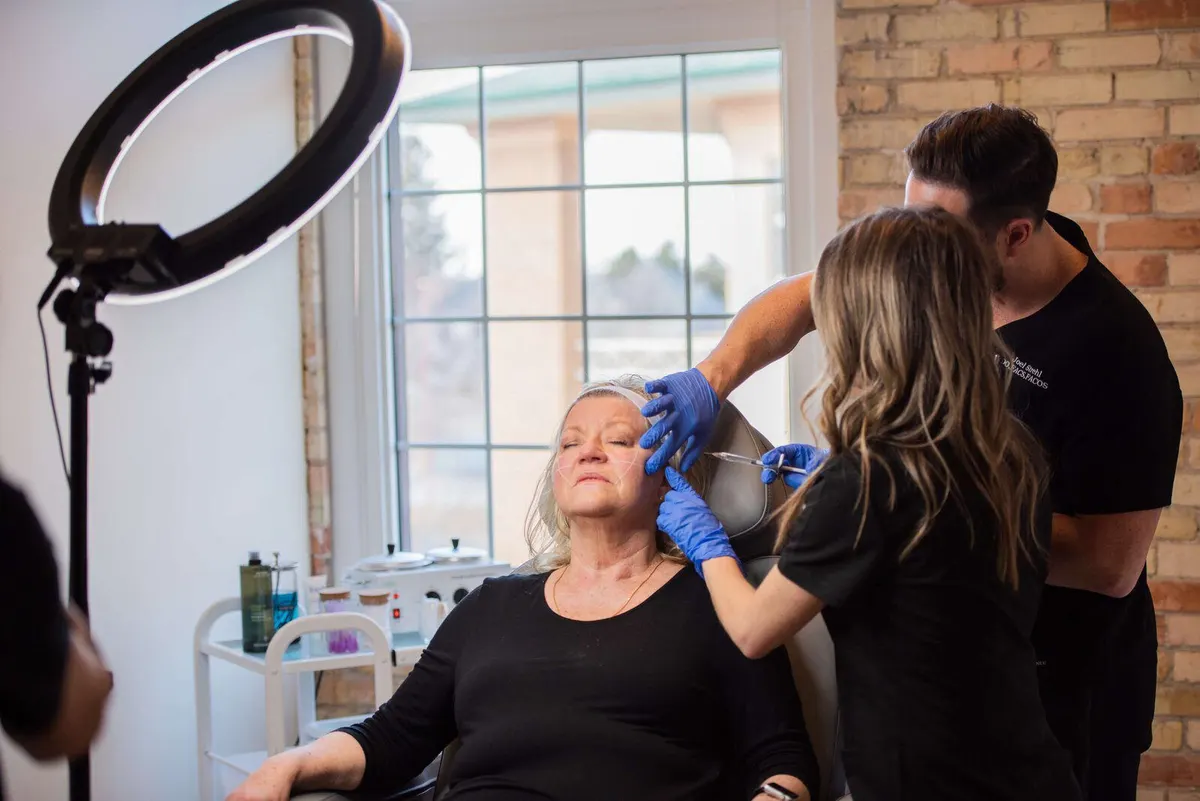
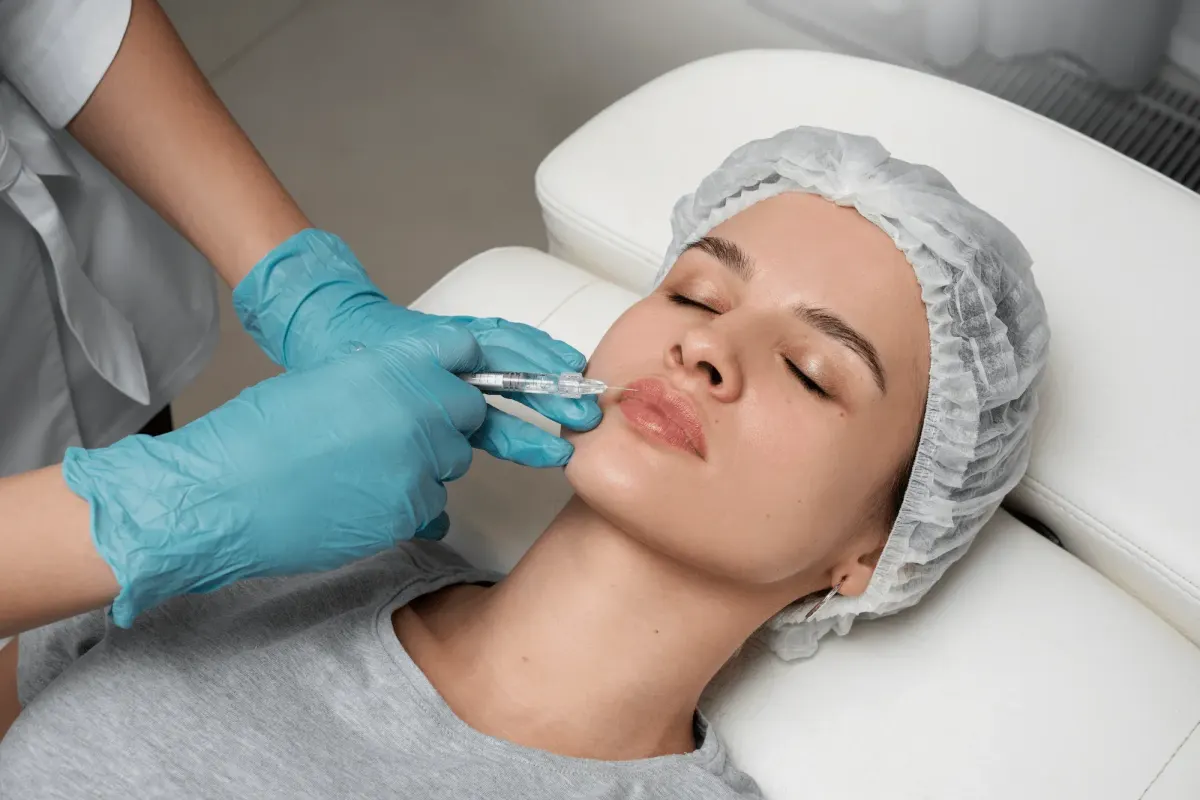
Procedures like chemical peels, microneedling, laser therapy, and IPL are designed to trigger cell turnover and collagen production. While these treatments work wonders, they can also temporarily disrupt the skin barrier, making it more sensitive to UV rays and inflammation. For some skin types, especially darker skin types or skin of color, this heightened sensitivity increases the risk of PIH or uneven skin tone.
The Role of Sun Exposure
Let's be honest - sun exposure is one of the biggest culprits in worsening pigmentation. UV rays stimulate melanin production and can undo weeks of progress. Without consistent sun protection, you're practically inviting dark spots to set up camp. That's why sunscreen should never be optional.
Sunscreen: Your First Line of Defense
Daily sunscreen use is non-negotiable if you want to prevent hyperpigmentation. Broad-spectrum sunscreen with an SPF of 30 or higher is ideal because it protects against both UVA and UVB rays. For those who have undergone laser treatments or fractional laser resurfacing, layering on SPF every two hours during the day can make the difference between smooth healing and lingering discoloration. Protective clothing, wide-brimmed hats, and avoiding peak sun hours provide extra backup for your skin.
Power Ingredients for Pigment Control
Post-treatment care doesn't stop with sunscreen. Adding targeted skincare products into your routine can help lighten existing dark spots and prevent new ones. Let's break down the heavy hitters:
- Hydroquinone: A classic skin lightening agent that reduces melanin production and improves the appearance of hyperpigmentation.
- Retinoids and Tretinoin: Boost cell turnover, help fade PIH, and improve skin texture.
- Vitamin C: A powerful antioxidant that brightens skin tone, reduces discoloration, and protects against UV damage.
- Niacinamide: Minimizes inflammation, strengthens the skin barrier, and reduces uneven skin tone.
- Kojic Acid: A natural option for inhibiting melanin production, often used in over-the-counter formulations.
- Azelaic Acid: Great for acne-prone skin types, this multitasker reduces dark spots, redness, and lesions.
- Alpha Hydroxy Acids and Glycolic Acid: Gentle exfoliation helps improve skin texture and enhances the absorption of other ingredients.
- Salicylic Acid: Useful for oily or acne-prone skin conditions, keeping pores clear while reducing the appearance of hyperpigmentation.
Exfoliation the Right Way
Exfoliation is key for encouraging healthy cell turnover, but it has to be done carefully post-treatment. Over-exfoliating with harsh scrubs can irritate the skin barrier, leading to more PIH. Instead, choose chemical exfoliants like AHAs, glycolic acid, or salicylic acid in lower concentrations. Pair them with moisturizers to maintain hydration and prevent irritation.
Moisturizers and Skin Barrier Support
When skin is healing, keeping the skin barrier intact is crucial. Moisturizers help lock in hydration, reduce irritation, and create a better environment for active ingredients to work. Look for formulations that contain ceramides, hyaluronic acid, or soothing agents that prevent flare-ups, especially if you struggle with eczema or sensitive skin conditions.
Skincare Routine for Post-Treatment Healing
A simple yet effective routine goes a long way in preventing hyperpigmentation:
- Gentle Cleansers: Avoid stripping products. Opt for mild cleansers that clean without disrupting skin cells.
- Antioxidants: Vitamin C serums help neutralize free radicals and protect from UV rays.
- Targeted Treatments: Use hydroquinone, azelaic acid, or kojic acid to reduce dark spots.
- Moisturizers: Keep the skin barrier strong with nourishing creams.
- Broad-Spectrum Sunscreen: Apply generously and reapply throughout the day.
Consistency is everything. Sticking to your skincare routine will keep pigmentation at bay and enhance the results of professional treatments.
Medical-Grade vs Over-the-Counter Options
While over-the-counter products can provide a boost, medical-grade skincare often delivers stronger and faster results. Hydroquinone formulations, prescription retinoids like tretinoin, or corticosteroids may be recommended by your dermatologist for stubborn pigmentation. Always consult healthcare professionals before starting these, especially if you have darker skin types that may be more prone to PIH.
Dermatology-Approved Treatment Options
Sometimes topical skincare isn't enough. Dermatology offers several advanced treatment options for pigmentation:
- Chemical Peels: Controlled exfoliation with acids like glycolic acid or salicylic acid can reduce discoloration and even out skin tone.
- Laser Therapy and Fractional Laser: Targets deep pigmentation and stimulates collagen production. However, they must be performed carefully on skin of color to avoid worsening pigmentation.
- IPL (Intense Pulsed Light): Improves pigmentation issues, redness, and uneven skin tone.
- RF Microneedling: Stimulates collagen production and can improve the appearance of acne scars and dark spots.
Your dermatologist will evaluate your skin type, treatment history, and goals before recommending the safest and most effective approach.
Hormonal Changes and Melasma
Melasma, often triggered by hormonal changes, is notoriously tricky to treat. It usually shows up as brown or grayish patches and is worsened by sun exposure. Preventing melasma flare-ups requires consistent sunscreen, antioxidants like vitamin C, and sometimes prescription options like hydroquinone or tretinoin. For stubborn cases, dermatologists may combine multiple treatment options, including chemical peels or laser treatments.
Skincare for Darker Skin Types
Skin of color deserves special attention when it comes to pigmentation. Darker skin types are more prone to post-inflammatory hyperpigmentation, meaning even minor skin conditions or treatments can trigger discoloration. Gentle formulations, consistent sun protection, and close dermatology supervision are key to preventing unwanted results.
Lifestyle Habits That Make a Difference
Beyond products and treatments, lifestyle plays a huge role in how your skin heals.
- Protective Clothing: Wide-brimmed hats, long sleeves, and sunglasses prevent unnecessary UV exposure.
- Balanced Diet: Antioxidants from foods like berries and leafy greens support overall skin health.
- Stress Management: Chronic stress can trigger flare-ups of skin conditions like eczema, which may worsen discoloration.
- Consistent Healthcare Check-Ins: Regular visits to a dermatologist ensure your treatment plan is working and safe.
When to See a Dermatologist
If you notice persistent discoloration, new lesions, or worsening dark spots despite following a solid skincare routine, it's time to seek professional guidance. At Eternal Wellness, our team specializes in advanced skincare and pigmentation concerns, offering treatment options that are tailored to your unique skin type and goals. Choosing Eternal Wellness means partnering with experts who understand how to protect your skin barrier, restore balance, and deliver safe results that enhance your natural appearance.
Protect Your Skin After Every Treatment in Traverse City
Hyperpigmentation doesn't have to steal the spotlight after your favorite skin treatments. By understanding your skin type, practicing smart sun protection, and building a skincare routine filled with pigment-fighting ingredients, you can keep your complexion bright and even. From over-the-counter products like vitamin C serums to in-office procedures like fractional laser or chemical peels, there's a wide menu of solutions to explore. The key is consistency, patience, and partnering with healthcare providers who understand the nuances of pigmentation.
So next time you book that microneedling or laser therapy session, go in with confidence. With the right post-treatment care, you'll not only protect your investment but also enjoy smooth, radiant skin without the shadow of dark spots. Contact Eternal Wellness Medical Spa in Traverse City, MI, or call (231) 252-4474 to schedule your consultation.