What Causes Hyperpigmentation and How to Treat It: Complete Guide
Learn what causes hyperpigmentation - from sun exposure and hormonal changes to inflammation - and discover the best professional and at-home treatments to restore an even, radiant skin tone.
Hyperpigmentation is a common skin condition where certain areas of the skin become darker than the surrounding skin. This discoloration happens when melanin production increases in specific spots, leading to visible dark patches, freckles, or sunspots. While it can affect anyone, it is more noticeable in people with darker skin tones due to higher natural melanin levels. Understanding the causes of hyperpigmentation and how to treat it is key to improving your skin's appearance and preventing future issues.
What Is Hyperpigmentation?
Hyperpigmentation is a change in skin color that occurs when melanocytes, the skin cells responsible for producing melanin, create excess pigment, leading to uneven skin pigmentation. This condition can appear in different forms, such as melasma, which presents as dark patches often on the face and is frequently linked to hormonal changes like pregnancy or birth control pills.
Post-inflammatory hyperpigmentation develops after skin inflammation from acne, eczema, psoriasis, or dermatitis. Sunspots, also known as solar lentigines, age spots, or liver spots, typically form after years of sun exposure and damage, while freckles are small pigmented spots that may darken with UV ray exposure.
Common Causes of Hyperpigmentation
While sun exposure is the most common cause of hyperpigmentation, several other triggers can contribute to this skin condition. Prolonged exposure to UV rays without proper sun protection stimulates excess melanin production, leading to sunspots and other discoloration. Hormonal changes, such as those that occur during pregnancy, menopause, or when using contraceptives, can cause melasma due to shifts in hormone levels.
Skin inflammation from acne lesions, eczema, or psoriasis may leave lingering dark marks as the skin heals. Certain medical conditions, including Addison's disease, can disrupt hormone balance and result in pigmentation changes. In addition, some medications, such as specific antibiotics and anti-inflammatory drugs, may list hyperpigmentation as a side effect.
Risk Factors That Increase Likelihood
Hyperpigmentation can affect all skin types, but darker skin tones are more prone to it because of higher melanin levels. Other risk factors include:
- Frequent unprotected sun exposure
- History of skin inflammation or chronic skin conditions
- Aging and cumulative UV damage
- Genetics and family history
How to Identify Hyperpigmentation
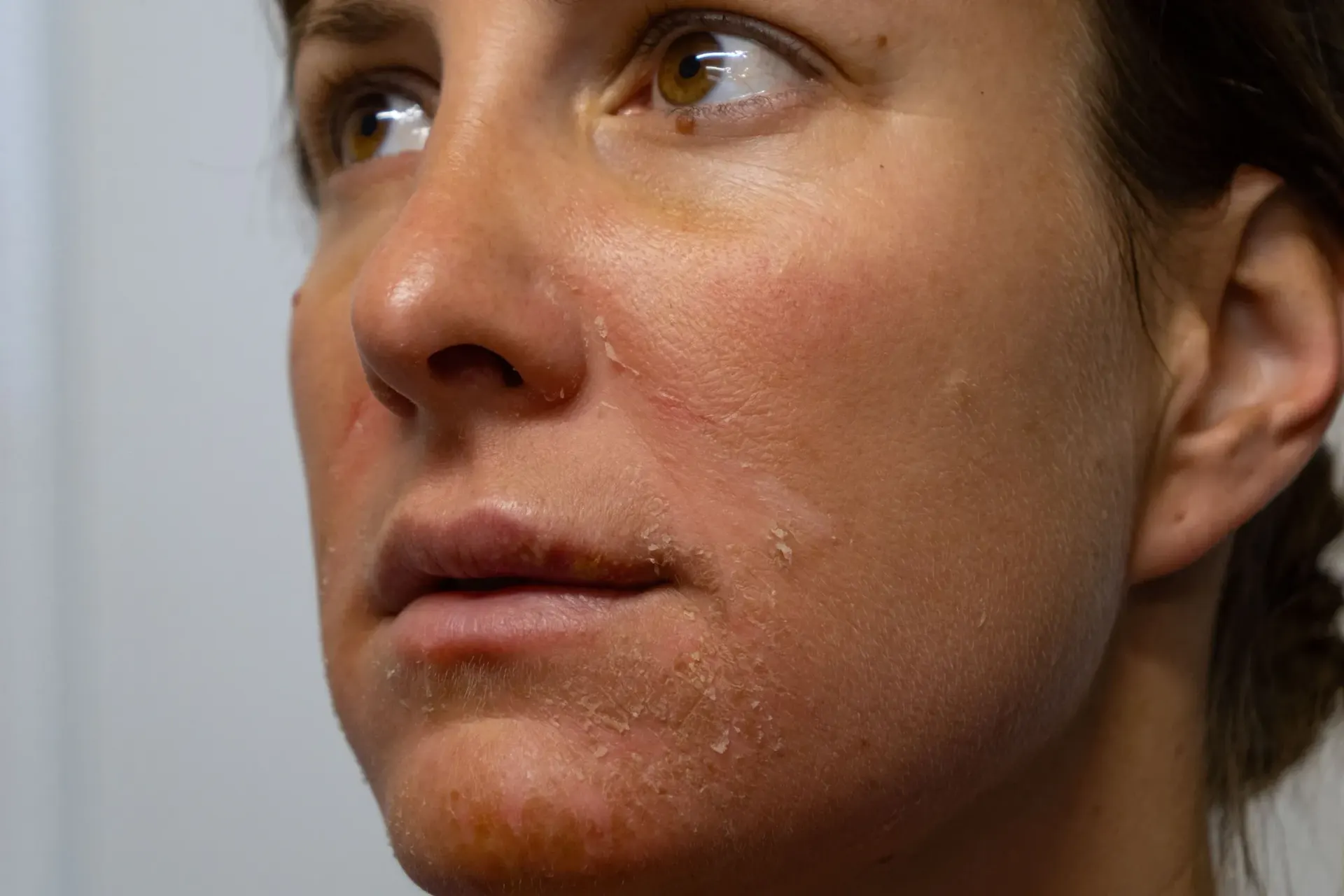
Hyperpigmentation appears as dark spots or patches that may differ in size and shape. The surrounding skin may be unaffected, making the contrast more noticeable. If you notice sudden changes, rapidly spreading discoloration, or lesions that do not improve, it is best to see a dermatologist for an accurate diagnosis. In some cases, a biopsy may be recommended to rule out skin cancer.
Treatment Options for Hyperpigmentation
Treatment depends on the underlying cause, skin type, and severity. A combination of topical treatments, professional procedures, and preventive skin care works best.
Over-the-Counter Topical Treatments
These skin care products can help reduce discoloration with active ingredients that brighten, exfoliate, and regulate melanin production.
- Vitamin C: An antioxidant that helps brighten skin tone and minimize the appearance of hyperpigmentation.
- Niacinamide: Improves the skin barrier while lightening dark spots and evening overall skin tone.
- Kojic Acid: Inhibits melanin production, gradually reducing the intensity of dark patches.
- Azelaic Acid: Particularly effective for post-inflammatory hyperpigmentation, especially in darker skin.
- Glycolic Acid and Salicylic Acid: Exfoliating agents that remove dead skin cells, promote renewal, and improve texture.
- Retinoids and Retinol: Encourage faster skin cell turnover to fade pigmentation and smooth the skin's surface.
Prescription Topical Treatments
Dermatologists may recommend stronger products for stubborn or widespread pigmentation.
- Hydroquinone: A powerful lightening ingredient used under medical supervision to target persistent dark spots.
- Tretinoin: A prescription retinoid that accelerates cell turnover and enhances skin texture and clarity.
Professional Procedures
For more severe cases, advanced treatments can target pigmentation at deeper levels.
- Chemical Peels: Use acids such as glycolic or salicylic acid to exfoliate and remove damaged skin layers.
- Laser Therapy: Employs concentrated light energy to break down excess melanin in dark patches.
- Microneedling: Stimulates collagen production, improving skin texture and reducing the visibility of pigmentation.
At-Home Skin Care
Gentle exfoliating routines, consistent use of antioxidant-rich products, and hydrating skin care help maintain progress and prevent new discoloration. Always patch-test new products to avoid irritation and worsening pigmentation.
Prevention Tips to Reduce Risk
Preventing hyperpigmentation is often easier than treating it. The most effective prevention method is daily sun protection.
- Use a broad-spectrum sunscreen with an SPF of 30 or higher every day, even indoors if near windows.
- Reapply sunscreen every two hours when outdoors.
- Wear protective clothing, wide-brimmed hats, and sunglasses.
- Avoid peak sun hours between 10 a.m. and 4 p.m.
- Treat skin inflammation promptly to prevent post-inflammatory hyperpigmentation.
Myths and Misconceptions About Hyperpigmentation
Some people believe that tanning can even out skin tone, but in reality, it stimulates melanin production and often makes dark spots more noticeable. Another common misconception is that natural remedies are always safe, yet certain at-home treatments can irritate the skin and worsen pigmentation. It is also a myth that only light skin needs sun protection, as dark skin and darker skin tones are still vulnerable to sun damage and at risk for skin cancer.
Why Choose Eternal Wellness?
At Eternal Wellness in Traverse City, we believe that understanding the root causes of hyperpigmentation is the first step toward achieving clear, radiant skin. Hyperpigmentation can be triggered by sun exposure, hormonal changes, inflammation, or skin injuries, leading to dark spots, uneven tone, or melasma.
Our expert team offers a complete range of treatments to address these concerns, from advanced laser therapies and chemical peels to medical-grade skincare. Each treatment plan is customized to your unique skin type and condition, helping to fade discoloration, restore balance, and promote long-term skin health. With a personalized and compassionate approach, we guide you through every step of your skincare journey - empowering you to achieve lasting confidence in your complexion.
Treat Hyperpigmentation in Traverse City
Hyperpigmentation is a widespread skin condition with many possible causes, from sun exposure and hormonal changes to skin inflammation and medical conditions like Addison's disease. While it can be frustrating, many effective treatment options exist, ranging from over-the-counter products with vitamin C and niacinamide to professional treatments like chemical peels and laser therapy.
The key to managing hyperpigmentation is combining consistent sun protection, targeted topical treatments, and guidance from a qualified provider. With the right approach, you can reduce discoloration, protect your skin from further sun damage, and maintain a more even, radiant skin tone. Contact Eternal Wellness Medical Spa in Traverse City, MI, or call (231) 252-4474 to schedule your consultation.