What Are the Symptoms of Poor Lymphatic Drainage? Signs & Causes
Poor lymphatic drainage can cause persistent swelling, puffiness, fatigue, and skin changes. Eternal Wellness in Traverse City explains the warning signs, common causes, and when to seek professional support.
Introduction
The lymphatic system plays a critical role in immune defense, fluid balance, and detoxification. Yet most people rarely think about it until symptoms begin to appear.
If you have been wondering what are the symptoms of poor lymphatic drainage, you are likely experiencing persistent swelling, unexplained puffiness, or chronic fatigue that does not seem to resolve on its own.
Poor lymphatic drainage — sometimes described as sluggish lymph flow — occurs when the body is not efficiently moving lymphatic fluid through vessels and nodes. Unlike blood circulation, which is powered by the heart, lymphatic flow relies on muscle movement, breathing, and healthy tissue function. When this system slows down, subtle but uncomfortable symptoms may develop.
Why Lymphatic Flow Matters
The lymphatic system is responsible for transporting excess fluid, immune cells, and metabolic waste away from tissues. It filters this fluid through lymph nodes before returning it to the bloodstream. When functioning properly, it prevents fluid accumulation and supports immune regulation.
When drainage becomes inefficient, fluid may accumulate in tissues. Over time, this stagnation can contribute to inflammation, discomfort, and visible swelling. According to the Cleveland Clinic, impaired lymphatic flow can lead to lymphedema and chronic tissue swelling if not properly managed.
Common Symptoms of Poor Lymphatic Drainage
Symptoms can range from mild and intermittent to persistent and progressive.
Persistent Swelling
One of the most noticeable signs is swelling in the arms, legs, ankles, or face. This swelling may worsen throughout the day and improve slightly with elevation or rest. Jewelry may feel tighter. Shoes may feel snug by evening. Unlike temporary fluid retention from high sodium intake, lymphatic swelling often feels heavier and more resistant to quick relief.
Puffiness and Facial Fullness
Facial puffiness, especially around the eyes or jawline, can indicate sluggish lymph flow. Morning swelling that does not fully resolve may reflect reduced overnight drainage. Patients who have undergone aesthetic procedures such as Morpheus8 sometimes notice temporary swelling as part of normal inflammation. However, prolonged puffiness may signal slower lymphatic clearance.
A Feeling of Heaviness
Individuals often describe a heavy or tight sensation in limbs. This is not muscle soreness but rather tissue congestion. The sensation may be subtle at first and increase over time.
Chronic Fatigue
The lymphatic system contributes to immune surveillance and toxin removal. When flow slows, some individuals report low energy, sluggishness, or brain fog. While fatigue has many possible causes, impaired lymphatic movement can be one contributing factor.
Frequent Illness
Because lymph nodes filter pathogens, impaired drainage may reduce immune responsiveness. Recurrent infections or prolonged recovery times may occur in some individuals.
Skin Changes
Over time, chronic poor drainage can contribute to skin thickening, dryness, or a dull appearance. In advanced cases of lymphedema, the skin may feel firm or fibrotic. Early recognition is important before more significant tissue changes develop.
Less Recognized Symptoms
Beyond visible swelling, some people experience subtler symptoms. Digestive bloating may be linked to abdominal lymphatic congestion. Mild joint stiffness or tenderness can also be associated with fluid imbalance in surrounding tissues. Hormonal fluid retention during menstrual cycles may feel more pronounced in individuals with already sluggish lymph flow.
While these symptoms are not exclusive to lymphatic dysfunction, persistent patterns warrant evaluation.
What Causes Poor Lymphatic Drainage?
Understanding the cause helps determine appropriate intervention. Common contributing factors include sedentary lifestyle, post-surgical recovery, chronic inflammation, obesity, hormonal fluctuations, previous lymph node removal, injury or trauma, and high stress levels.
Unlike the cardiovascular system, the lymphatic system does not have a central pump. Movement is essential. Prolonged sitting reduces muscular contraction, which slows lymph transport. Patients undergoing body contouring procedures may temporarily experience lymphatic congestion during healing. In such cases, guided therapy can support recovery.
When Should You Be Concerned?
Mild, temporary swelling after travel or intense activity is common. However, persistent swelling lasting more than several weeks should not be ignored. Redness, warmth, or sudden asymmetrical swelling require prompt medical evaluation to rule out blood clots or infection. If swelling progresses, becomes painful, or significantly limits movement, professional assessment is necessary. Early-stage lymphatic dysfunction is more manageable than advanced lymphedema.
Can Poor Lymphatic Drainage Be Reversed?
In many cases, yes. Early lymphatic congestion often responds well to targeted interventions. Strategies may include increased physical activity, hydration optimization, compression garments when indicated, manual therapy techniques, and nutritional support.
For patients seeking structured therapeutic support, Lymphatic Drainage Therapy can assist in stimulating fluid movement under professional guidance. When integrated with hydration support such as IV Therapy, overall fluid balance may improve more efficiently.
The Role of Manual Lymphatic Drainage
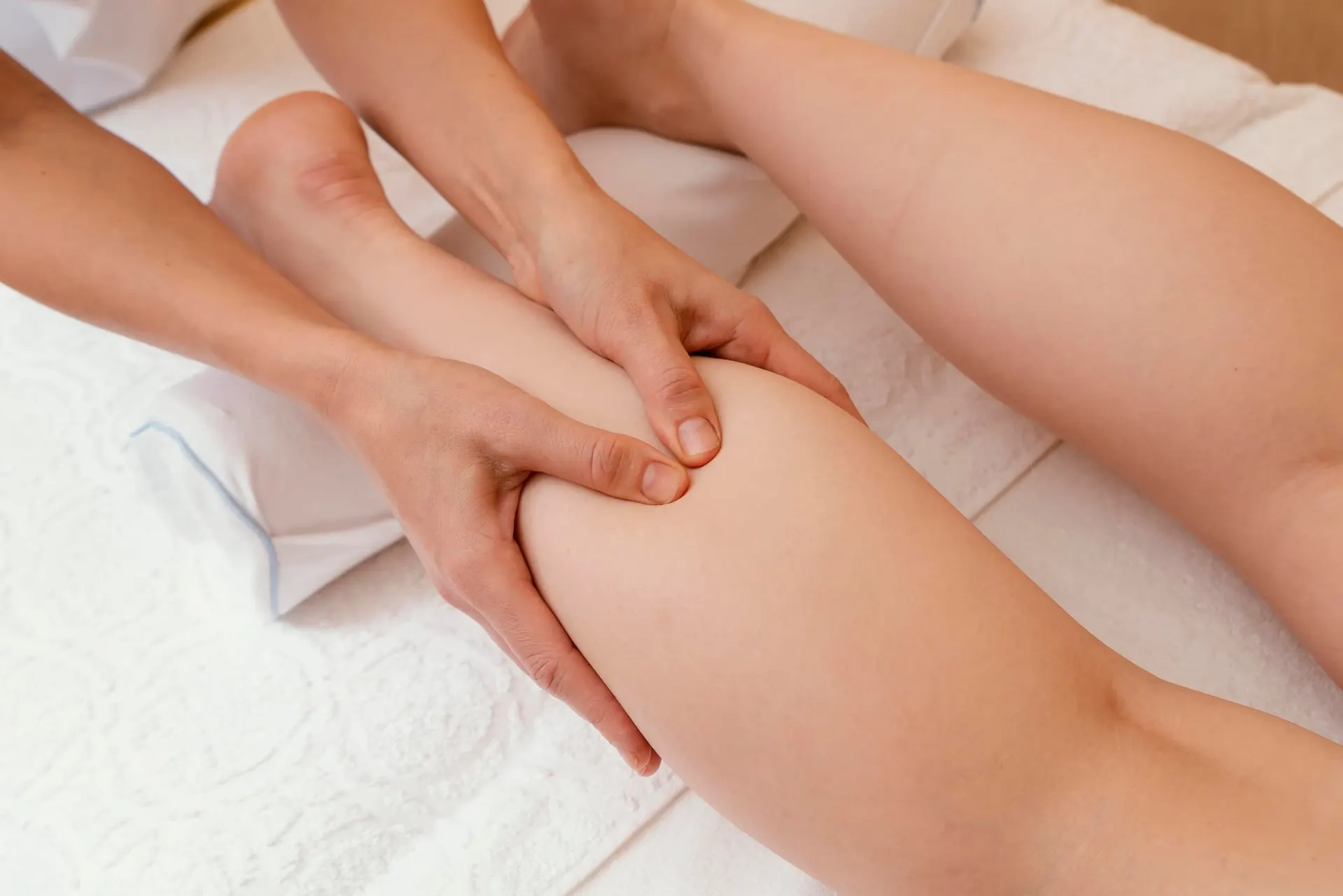
Manual lymphatic drainage is a specialized technique using light, directional strokes to stimulate lymph vessel contraction and encourage fluid movement. It differs from deep tissue massage — pressure is gentle and strategic. This therapy is often recommended following surgical procedures or in cases of mild to moderate fluid retention.
For patients exploring body-focused aesthetic services, pairing lymphatic therapy with body wellness services may enhance comfort during recovery. However, it is not appropriate for individuals with certain cardiac or infectious conditions without medical clearance.
Lifestyle Changes That Support Lymphatic Health
Because the lymphatic system depends on movement, daily walking and light exercise significantly improve flow. Deep diaphragmatic breathing also stimulates lymphatic return to the thoracic duct. Hydration supports proper fluid viscosity, making lymph transport more efficient. Reducing excessive sodium intake can minimize unnecessary fluid retention. Small daily habits often produce measurable improvements over time.
Poor Lymphatic Drainage vs Temporary Fluid Retention
It is important to distinguish between occasional bloating and chronic lymphatic dysfunction. Temporary water retention typically resolves within 24 to 48 hours after dietary adjustment. Persistent swelling that does not fluctuate significantly may indicate impaired lymph flow. Professional evaluation can help determine the difference.
Lymphatic Health in Traverse City
If you are experiencing ongoing swelling, heaviness, or puffiness and searching for answers in Traverse City, professional assessment can help clarify whether lymphatic congestion is contributing to your symptoms.