Best Laser Treatment for Acne Scars: Types, Results, and What to Expect
Looking for the best laser treatment for acne scars? Compare CO2, Fraxel, erbium, and fractional lasers - plus learn about recovery, skin type considerations, and how to get the smoothest results.
Acne scars are stubborn. They love to hang around long after your breakouts have packed up and moved on. Whether you're dealing with ice pick scars, rolling scars, boxcar scars, or some mix of all three, there's one big question on your mind: What's the best laser treatment to finally smooth things out?
Let's break it all down, from laser technology and skin types to downtime, side effects, and how to get the best results for your skin.
Why Laser Treatment Is a Game-Changer for Acne Scars
Laser therapy has become one of the most effective treatment options for acne scar removal. Unlike creams or serums that only touch the top layer, laser treatments dive deep into the layers of the skin where scar tissue forms. The laser targets damaged skin, boosts collagen production, and helps encourage new skin cells to form.
That means better skin texture, fewer visible scars, and a real shot at long-term skin rejuvenation. When done under expert care, the improvement in the appearance of acne scars can be significant.
Not All Acne Scars Are Created Equal
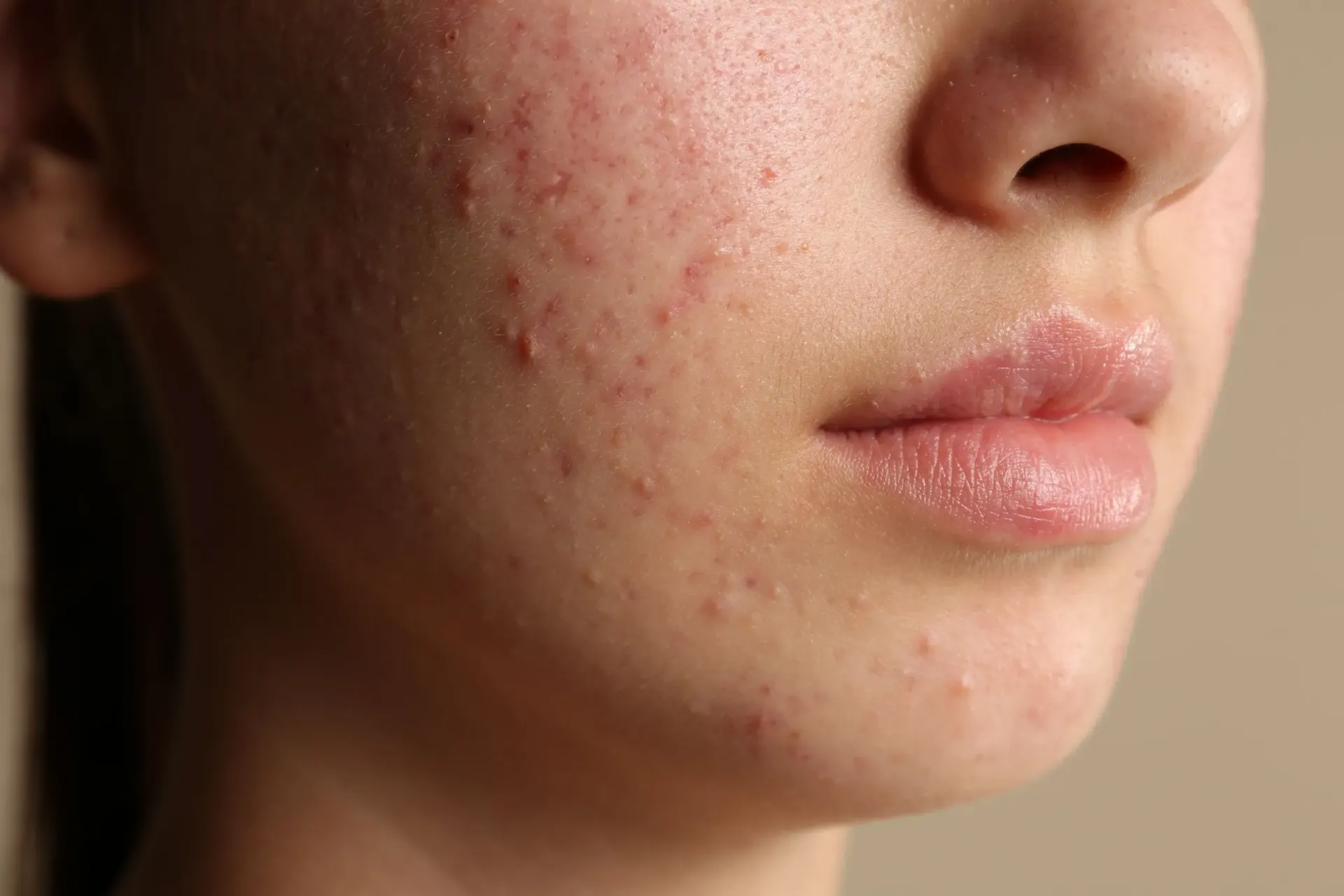
To get the best treatment, you've got to know what you're working with. Here's a quick rundown of common types of acne scars:
- Ice pick scars: Deep and narrow, like tiny punctures in the skin's surface
- Boxcar scars: Wide with defined edges, often found on the cheeks or temples
- Rolling scars: Wavy or uneven, giving the skin a rolling appearance
- Hypertrophic scars and keloids: Raised scars that form from excess collagen
- Atrophic scars: Depressed scars that sit below the skin's surface
Different scars respond better to different treatments, which is why a qualified provider will always customize your treatment plan.
What Makes a Laser Great for Acne Scar Treatment?
The best laser for you depends on your skin type, scar type, and lifestyle. There are two main categories: ablative and non-ablative lasers.
Ablative Lasers: Going Deep for Major Results
Ablative lasers like the CO2 laser and erbium laser work by removing the outer layers of the skin. They're aggressive but powerful, making them ideal for deep acne scars and textured skin.
- CO2 laser: A popular choice for severe scarring and deep resurfacing. It can help smooth boxcar and ice pick scars by vaporizing damaged skin
- Erbium laser: Slightly gentler than CO2 but still ablative. Great for moderate scars and less downtime
These lasers can come with longer recovery times and more noticeable side effects like redness, swelling, or peeling. But the payoff is often worth it for those with tough scars.
Non-Ablative Lasers: Less Downtime, Steady Results
If you're not up for a long healing process, non-ablative lasers like Fraxel might be your speed. They leave the top layer of the skin intact and work by heating deeper layers to stimulate new collagen.
- Fraxel (non-ablative version): Ideal for mild to moderate scars, especially on lighter skin tones
- Non-ablative fractional lasers: These lasers use tiny columns of energy to treat sections of the skin without affecting the surrounding skin
Non-ablative lasers usually need more sessions but have less downtime and fewer risks of discoloration or irritation.
What About Darker Skin Tones?
If you've got melanin-rich skin, laser treatment can still be a great option. You just need the right kind. Certain types of lasers and wavelengths are safer for darker skin tones.
Non-ablative fractional lasers and radiofrequency-based treatments tend to be safer choices for minimizing side effects like hyperpigmentation. IPL (intense pulsed light) and some lasers can be risky if not used carefully, so always choose a provider with experience treating your specific skin tone and skin concerns.
Fractional Laser: The Middle Ground
Fractional lasers are available in both ablative and non-ablative forms. They're called "fractional" because they treat only a portion of the skin in a grid-like pattern, leaving healthy tissue intact to speed up healing.
This approach helps target scar tissue while protecting surrounding skin. That means less recovery time and a more comfortable healing process.
What to Expect from Your Treatment Plan
Number of Sessions
Most acne scar treatments aren't one-and-done. You might need 3 to 6 sessions, depending on how deep the scars are and what type of laser is used. Your provider will space sessions a few weeks apart to allow the skin to fully recover and build new collagen.
Recovery Time
Ablative lasers like CO2 often come with 7 to 10 days of downtime, where the skin may be red, peeling, or scabbed. Non-ablative lasers might cause a bit of redness or swelling for a few days but won't interfere too much with your routine.
Post-Treatment Care
The healing process is everything. Keep your skincare routine gentle, avoid active ingredients, and definitely wear sunscreen every single day. The skin's surface will be more sensitive, and you'll want to avoid triggering inflammation or more breakouts.
Microneedling: A Close Cousin to Laser
If lasers aren't right for you or you want to alternate, microneedling is another effective treatment for acne scars. It creates tiny punctures in the skin to jumpstart collagen production, much like a non-ablative laser would.
Radiofrequency microneedling kicks it up a notch by adding heat into the mix. It's great for all skin tones and can improve scar texture, firmness, and even fine lines.
Laser vs. Other Acne Scar Treatments
Laser resurfacing isn't your only option, but it often gives the most dramatic results. Here's how it stacks up:
- Chemical peels: Help fade discoloration and exfoliate the top layer but can't reach deeper scars
- Fillers: Add volume to atrophic scars but are temporary and need repeating
- Topicals and skincare: Help maintain results but don't do much for existing scar tissue
- Laser therapy: Offers long-term results by rebuilding the skin from within
In dermatology clinics, laser resurfacing is often part of a larger treatment plan to address multiple skin concerns, from pigmentation to enlarged pores.
Side Effects: What to Know
Every treatment comes with risks. The most common side effects of laser treatments are:
- Redness
- Swelling
- Peeling
- Temporary discoloration
- Sensitivity to sunlight
In rare cases, improper use of a laser can lead to burns, scarring, or increased pigmentation, especially in darker skin tones. That's why it's critical to choose a provider trained in treating different skin types and types of acne scars.
The Bottom Line: Best Laser for Acne Scars?
There's no one-size-fits-all answer. The best treatment depends on the severity of your scars, your skin type, how much downtime you can tolerate, and your goals.
Top picks include:
- CO2 laser: Best for deep acne scars but with longer recovery
- Fraxel: Best for moderate scarring and those who want gradual improvement
- Erbium: Best for skin resurfacing with less risk to the surrounding skin
- Non-ablative fractional laser: Best for darker skin tones and minimal downtime
Pair these with a solid skincare routine, maybe a touch of microneedling, and guidance from an experienced provider and you'll be on your way to smoother skin.
Smooth Out Acne Scars in Traverse City
Acne scars are frustrating, but they don't have to be permanent. With advanced laser technology and customized treatment plans, you've got more options than ever to fade the scars and reveal clearer, healthier skin. Whether you go full-force with a CO2 laser or ease in with fractional therapy, your skin's healing process can be supported every step of the way.
Just remember: It's not about chasing perfection. It's about giving your skin the care it deserves so you can feel confident in it again. Contact Eternal Wellness Medical Spa in Traverse City, MI, or call (231) 252-4474 to find the best laser treatment for your skin and finally smooth out those stubborn acne scars.